Travel Adventures with Brian & Bridget
The Ultimate Guide to Visiting Machu Picchu
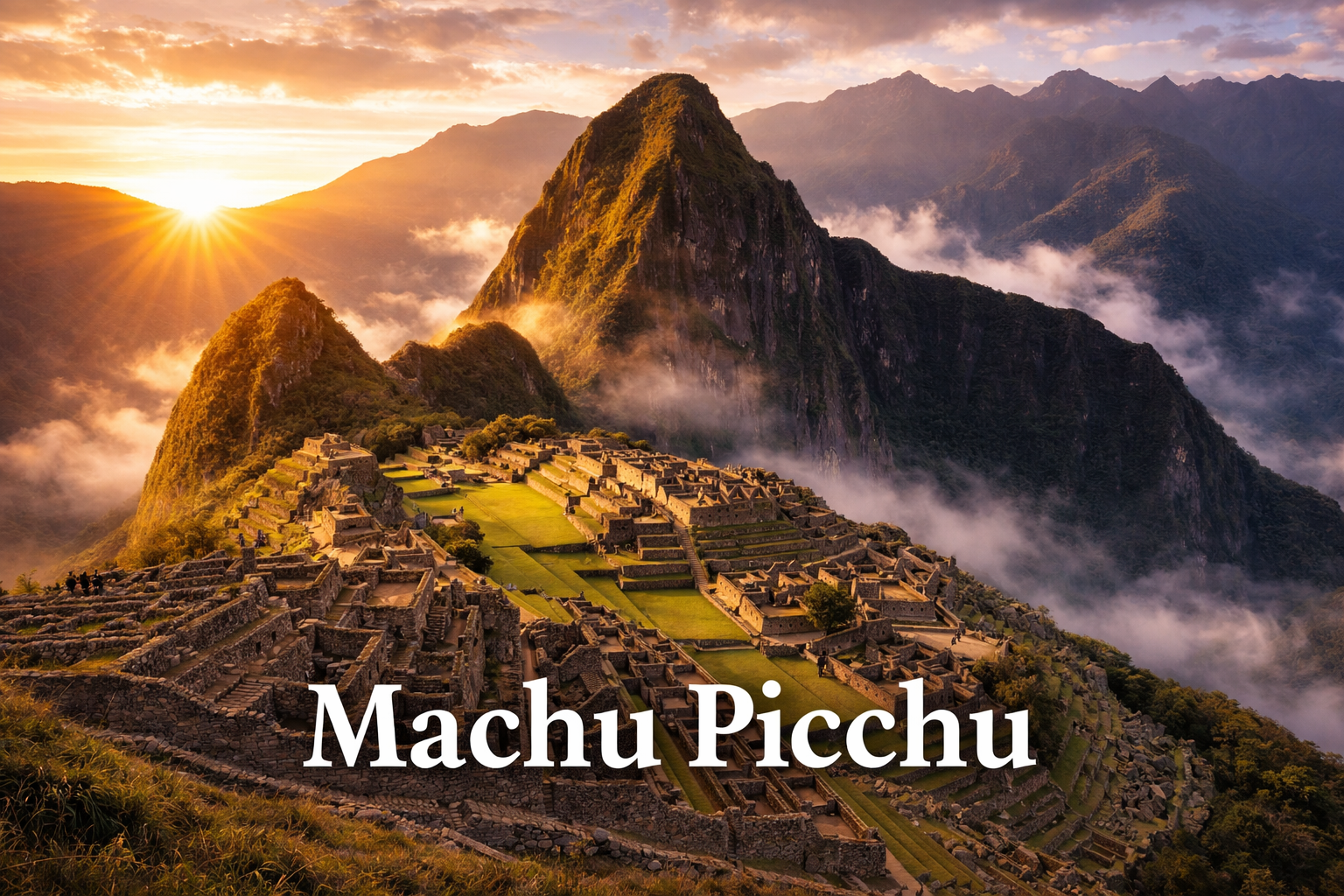
Machu Picchu, Peru
Few places in the world capture the imagination like Machu Picchu. High in the Andes Mountains of Peru, this ancient city seems to float between jungle-covered peaks and swirling clouds.
If you love unforgettable destinations like Iceland, Serengeti National Park, Tanzania, or Bora Bora, Machu Picchu offers a completely different kind of experience — where ancient history, dramatic mountain scenery, and once-in-a-lifetime adventure all come together in one incredible place.
For us — Brian and Bridget — visiting Machu Picchu was more than just checking off a bucket-list destination. It was one of those rare travel experiences that actually exceeds every expectation.
In this guide, we’ll share everything you need to know about visiting Machu Picchu, along with our personal experience exploring the terraces, temples, and mountain trails of this incredible place.
Beyond the visual beauty, there is a deeper sense of connection that many travelers feel here. Machu Picchu represents history, resilience, and discovery. It has stood through centuries of change, remained hidden from the outside world for years, and now continues to inspire travelers from around the globe.
For travelers who are drawn to meaningful experiences, stunning scenery, and destinations that truly live up to their reputation, Machu Picchu belongs at the very top of the list.
Free Packing Checklist
Planning a trip like this can get overwhelming — we made a simple checklist so you don’t forget anything important.
Top Tours & Experiences in Machu Picchu
These are some of the most popular ways travelers experience Machu Picchu and the surrounding region.
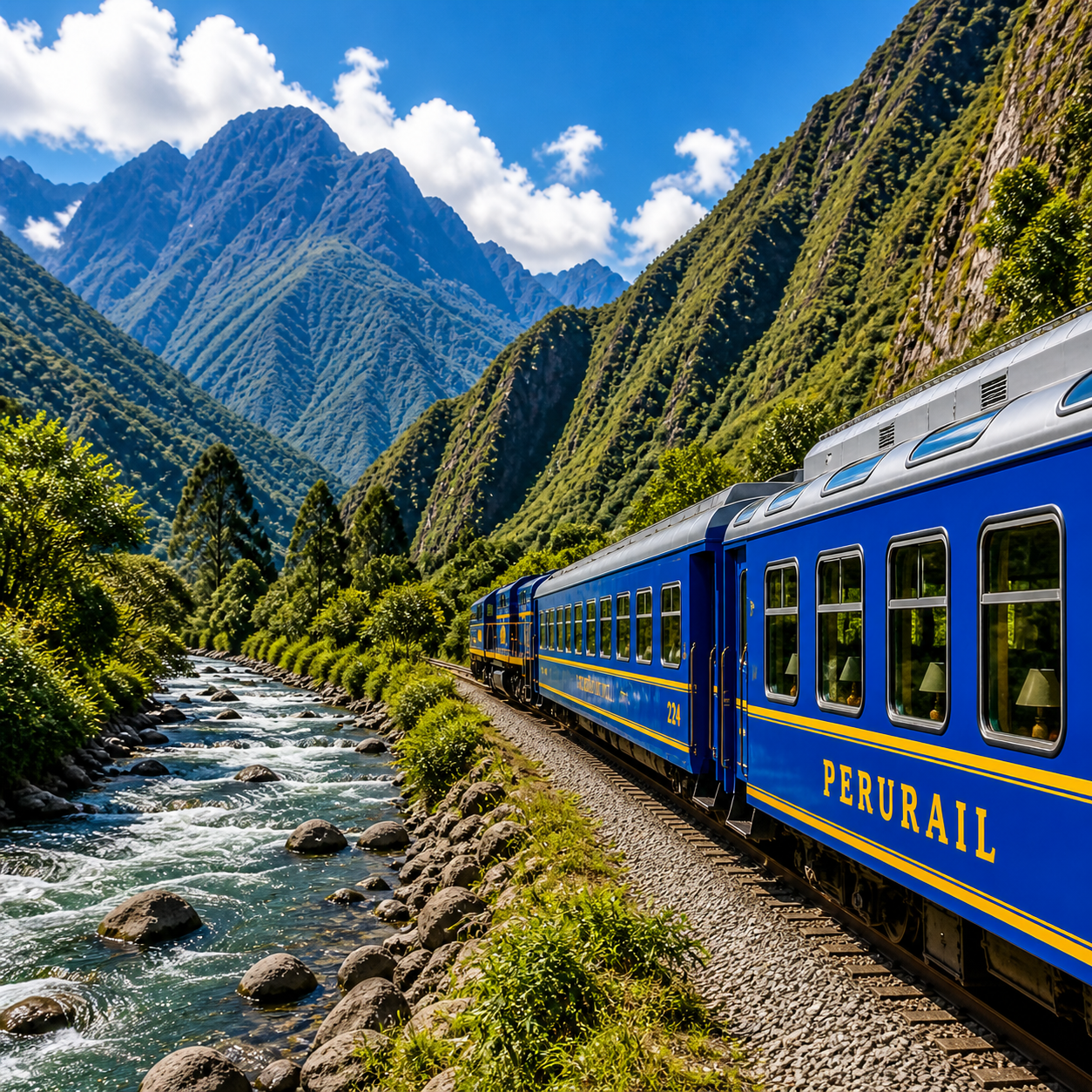
🚆 Full-Day Machu Picchu Train Tour
• Guided Machu Picchu tour
• Transportation from Cusco
• Great for first-time visitors
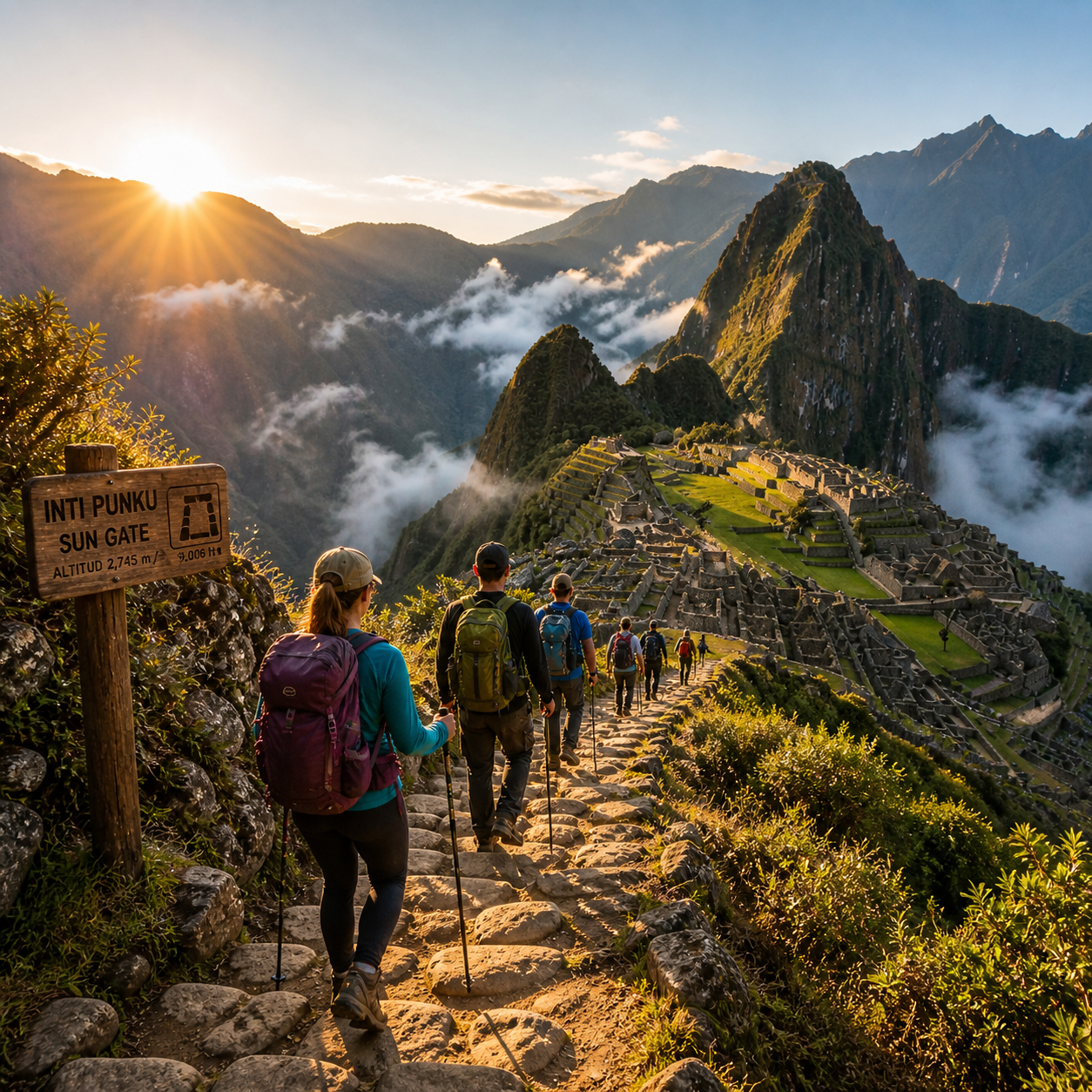
🥾 4-Day Inca Trail Trek
• Camp along Inca Trail
• Enter at Sunrise Gate
• Scenic train return ride
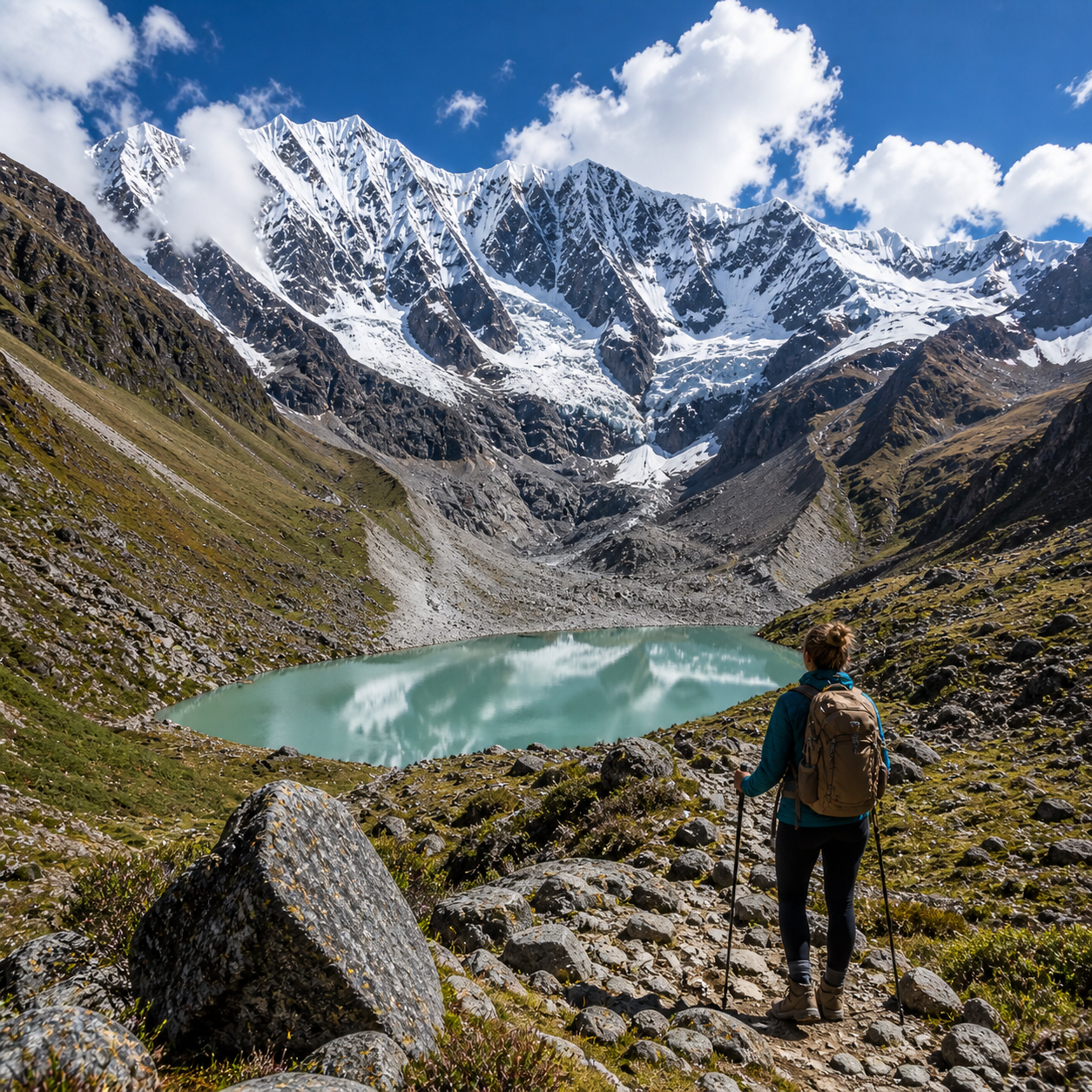
🏔️ Salkantay & Humantay Trek
• Cross Salkantay Pass
• Incredible mountain scenery
• Great alternative trek
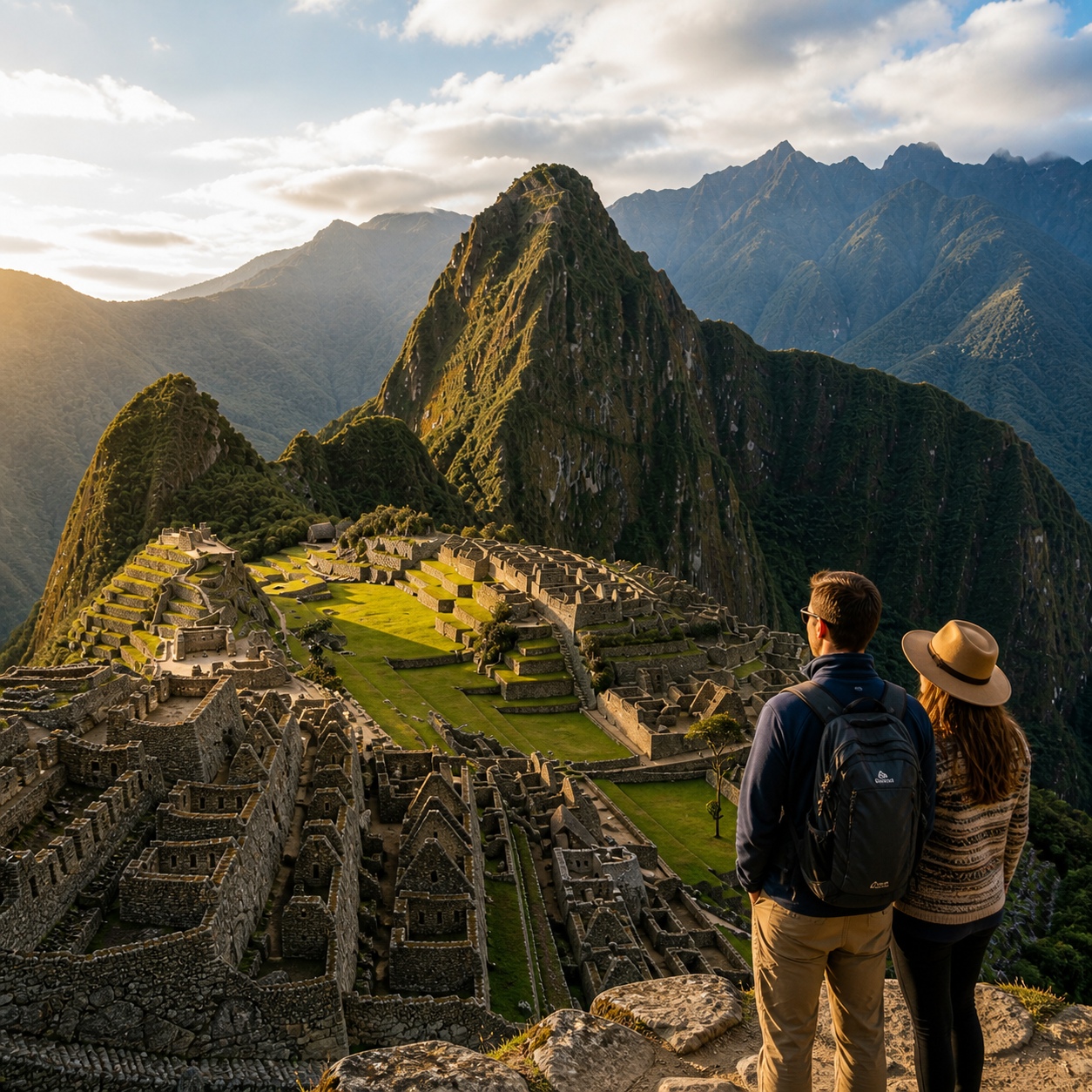
🌄 Private Machu Picchu Tour
• Flexible custom itinerary
• Learn Inca history deeper
• Great for couples & groups
For us — Brian and Bridget — Machu Picchu is one of those rare destinations that truly lives up to the hype. It’s powerful, humbling, and unforgettable — the kind of place that makes you stop, look around, and take it all in.
From walking through ancient stone terraces to watching clouds drift over the Andes, every moment at Machu Picchu feels surreal. Whether you arrive by train or hike the Inca Trail, the journey itself becomes part of the experience — building anticipation for that first incredible view of the ruins.
In this guide, we’re sharing everything you need to plan your Machu Picchu adventure — when to go, what to expect, how to prepare for the altitude, what to pack, and the travel essentials that can make your trip smoother and more enjoyable.
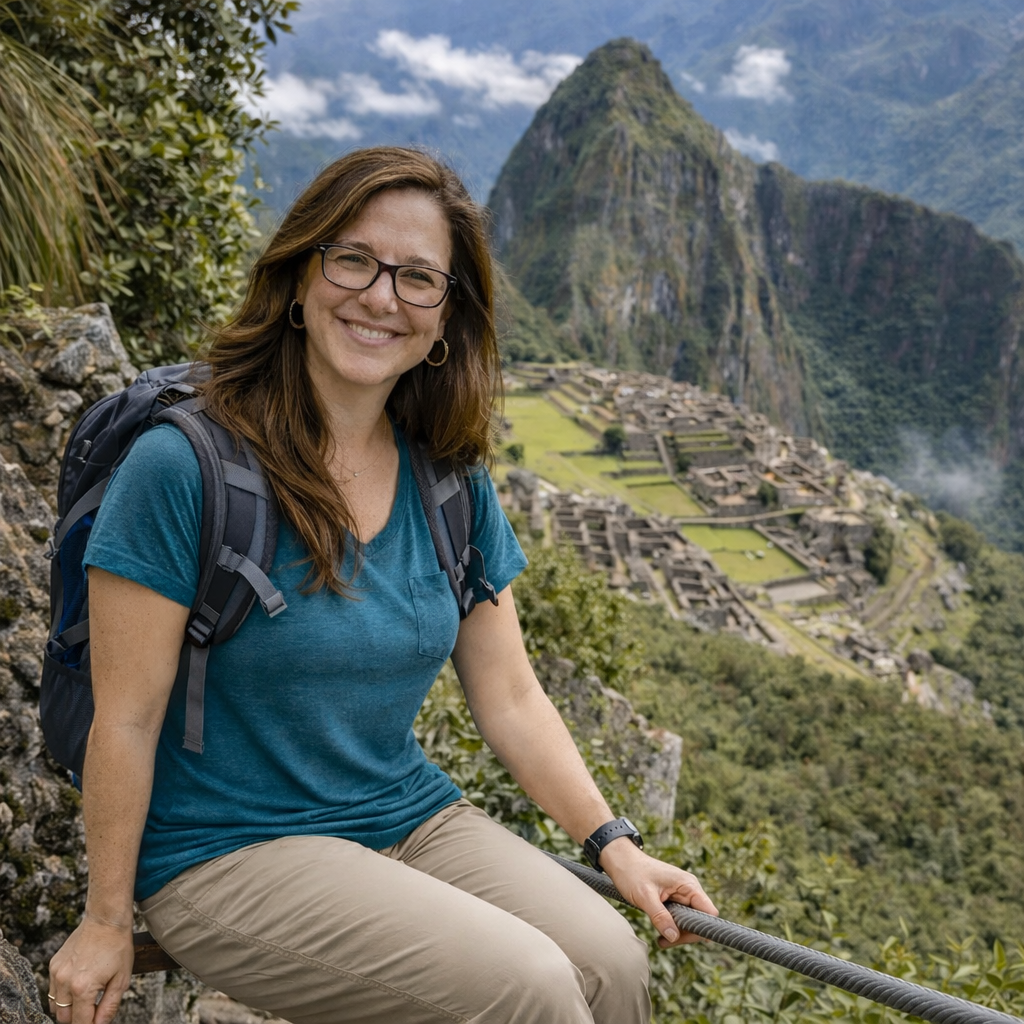
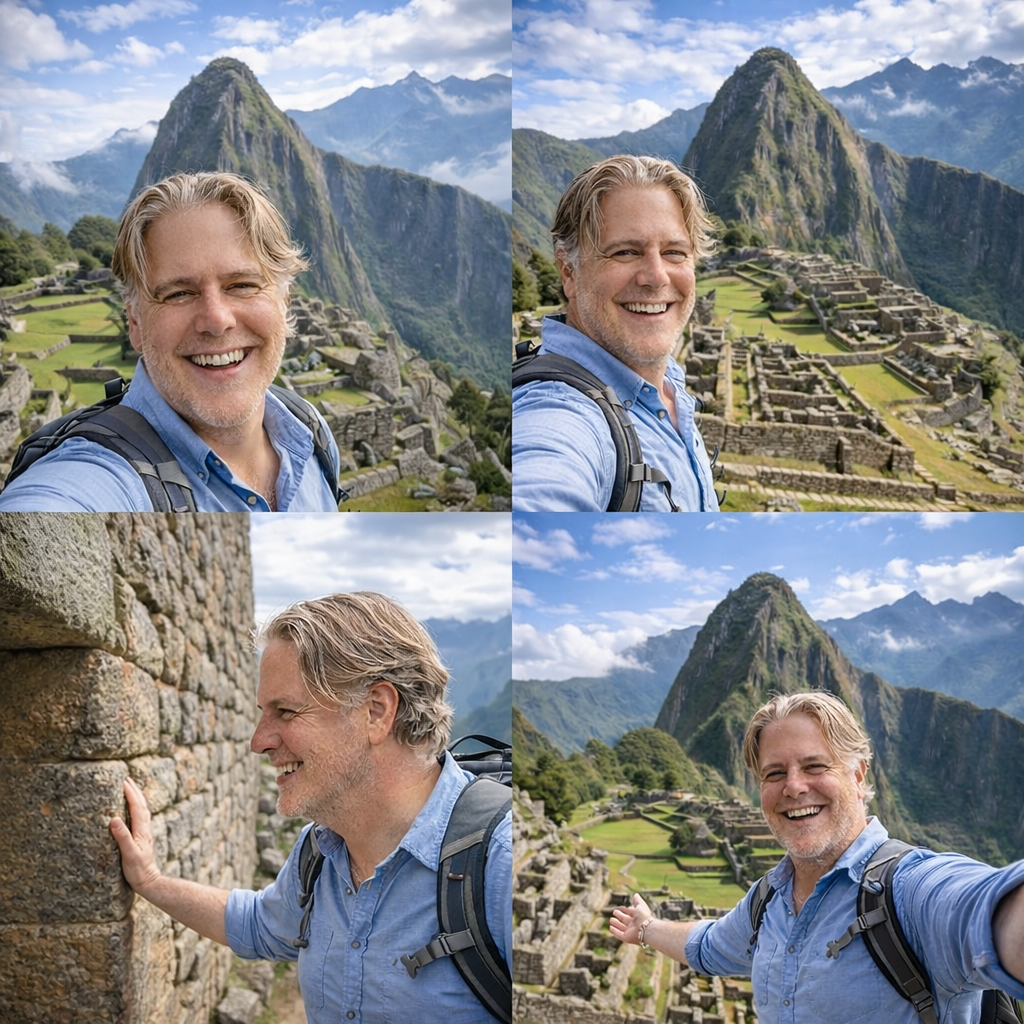
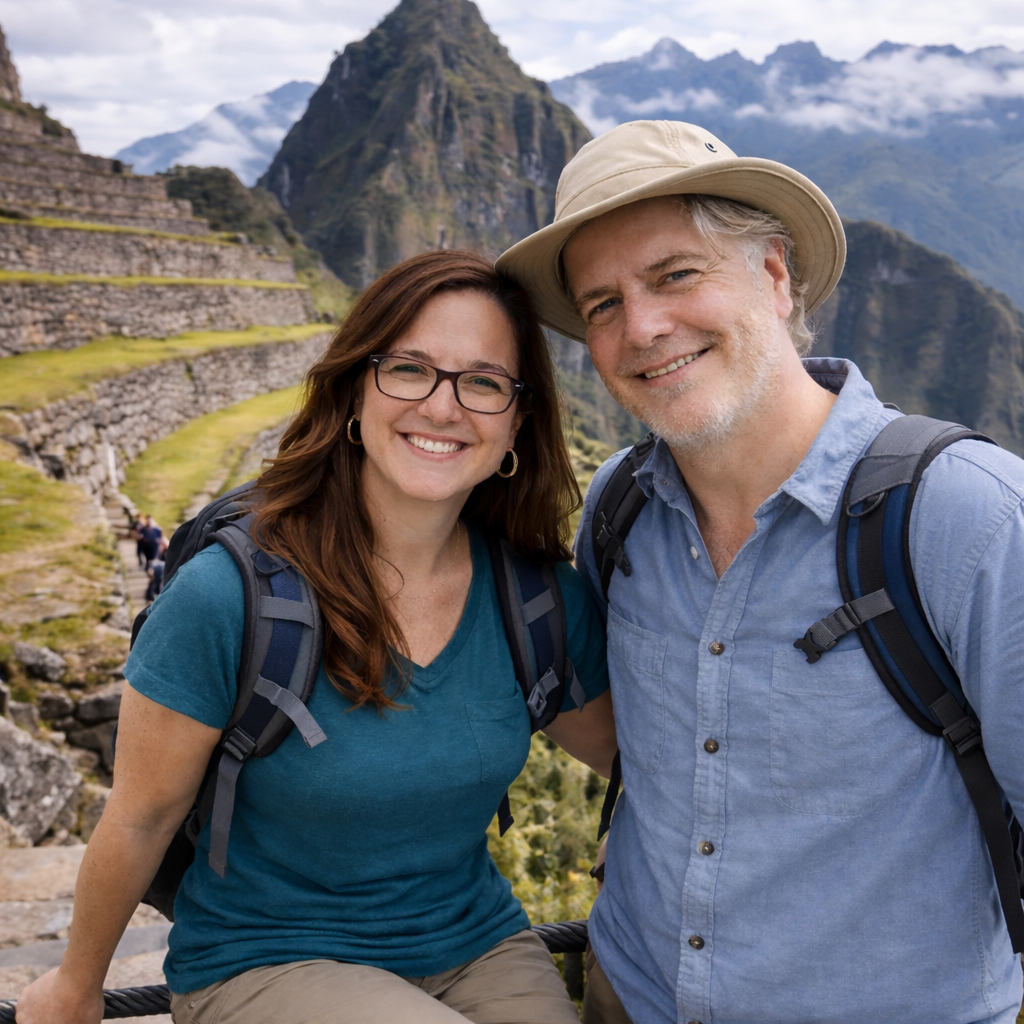
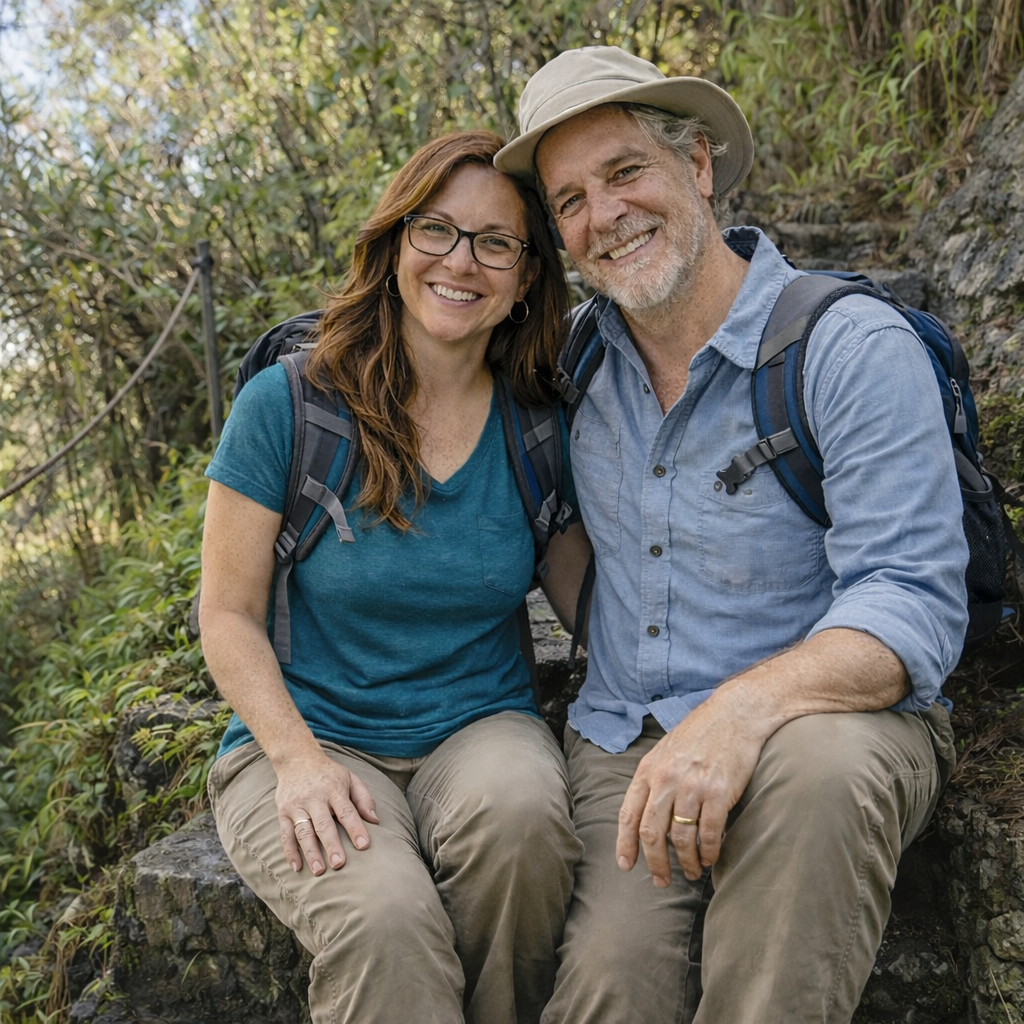
Machu Picchu Photo Gallery
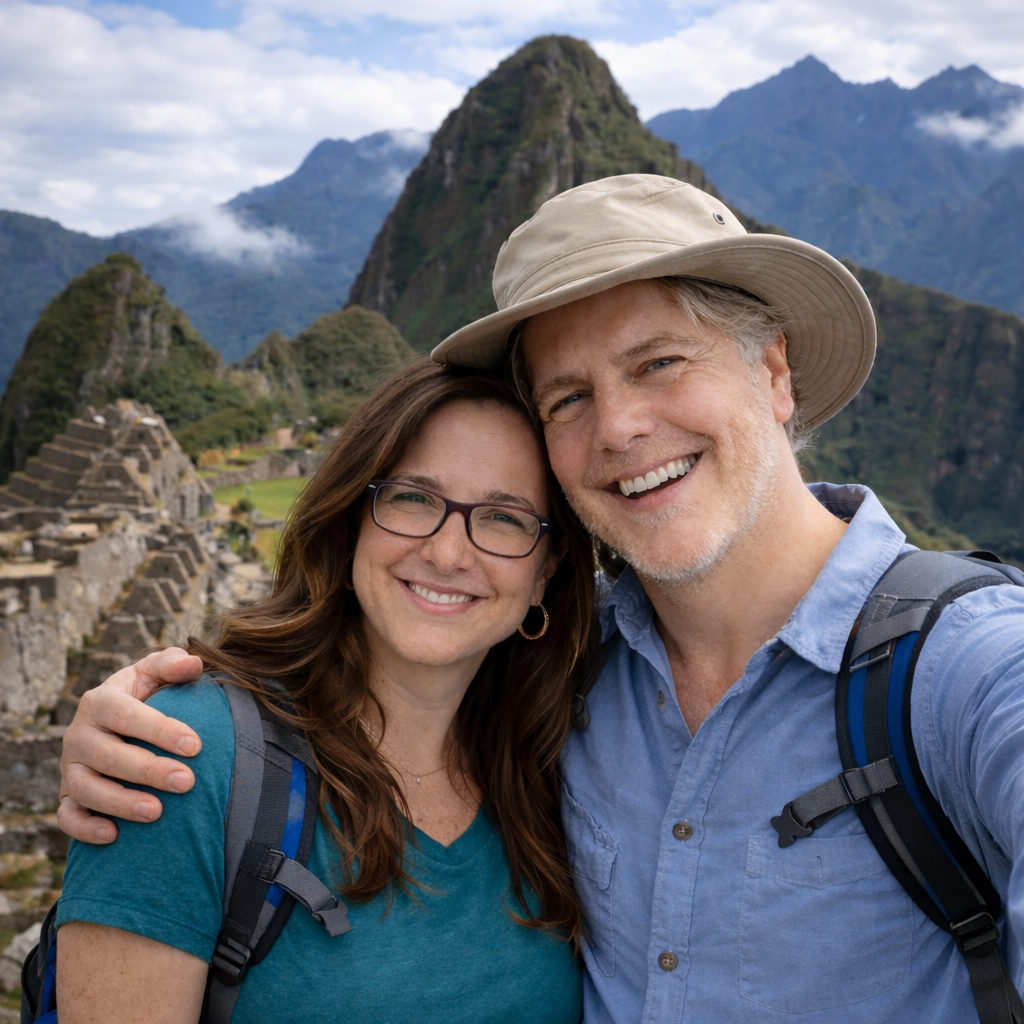
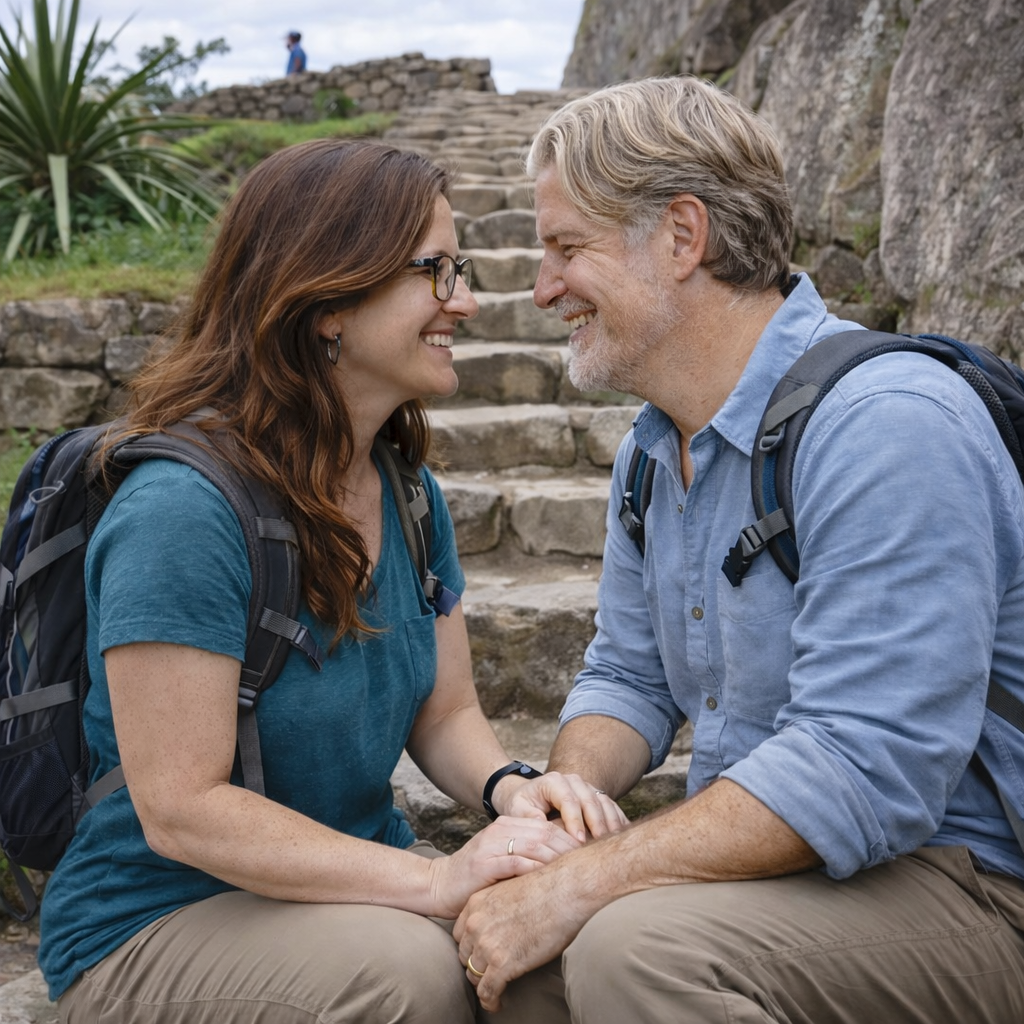
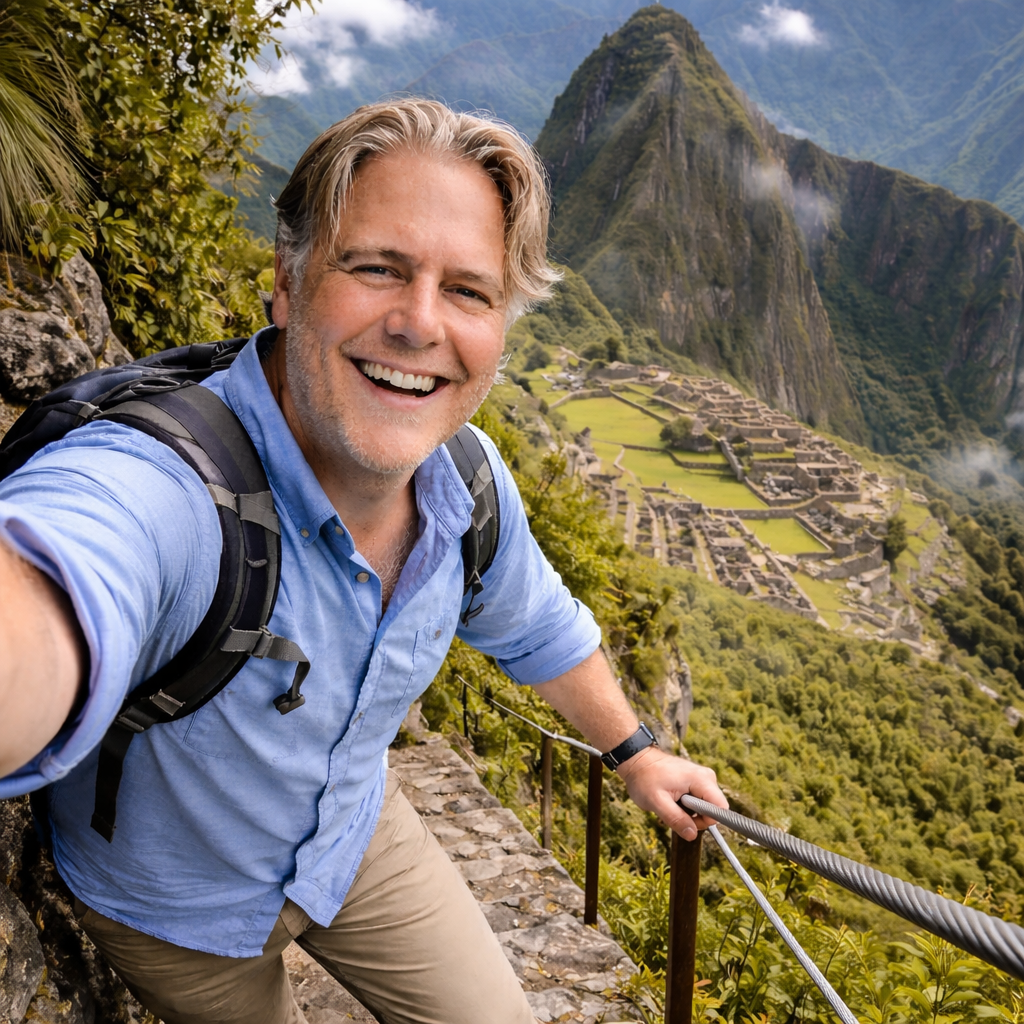
Real moments from our trip exploring one of the most incredible places on earth.
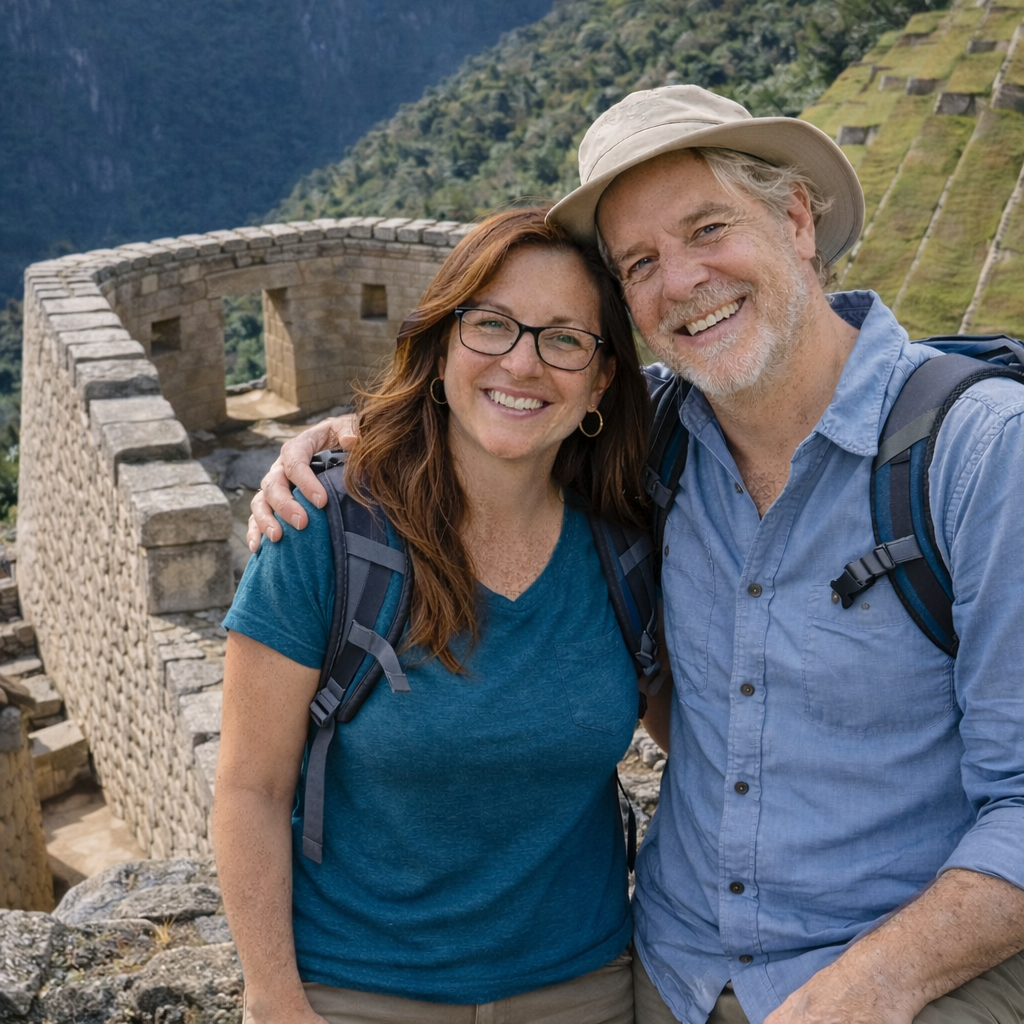
Our Personal Experience at Machu Picchu
The morning we visited Machu Picchu started early — very early.
We had stayed the night in the small mountain town of Aguas Calientes, which sits at the bottom of the mountain beneath the ruins. Before sunrise, we joined a small line of travelers waiting for the first buses up the winding road to the citadel.
As the bus climbed higher and higher through the misty mountains, the excitement grew. We had both seen hundreds of photos of Machu Picchu before this trip — but nothing prepares you for the moment you actually see it.
When we stepped through the entrance and walked toward the main viewpoint, the clouds slowly lifted. Suddenly, the entire city appeared across the mountainside — stone terraces cascading down the slopes, ancient buildings perfectly fitted together, and the towering peak of Huayna Picchu rising behind it.
We both just stopped and stared.
Bridget turned to me and said,
“This doesn’t even look real.”
And honestly, she was right.
A few things we were especially glad we had with us were a water bottle, a portable charger, and a good sun hat.
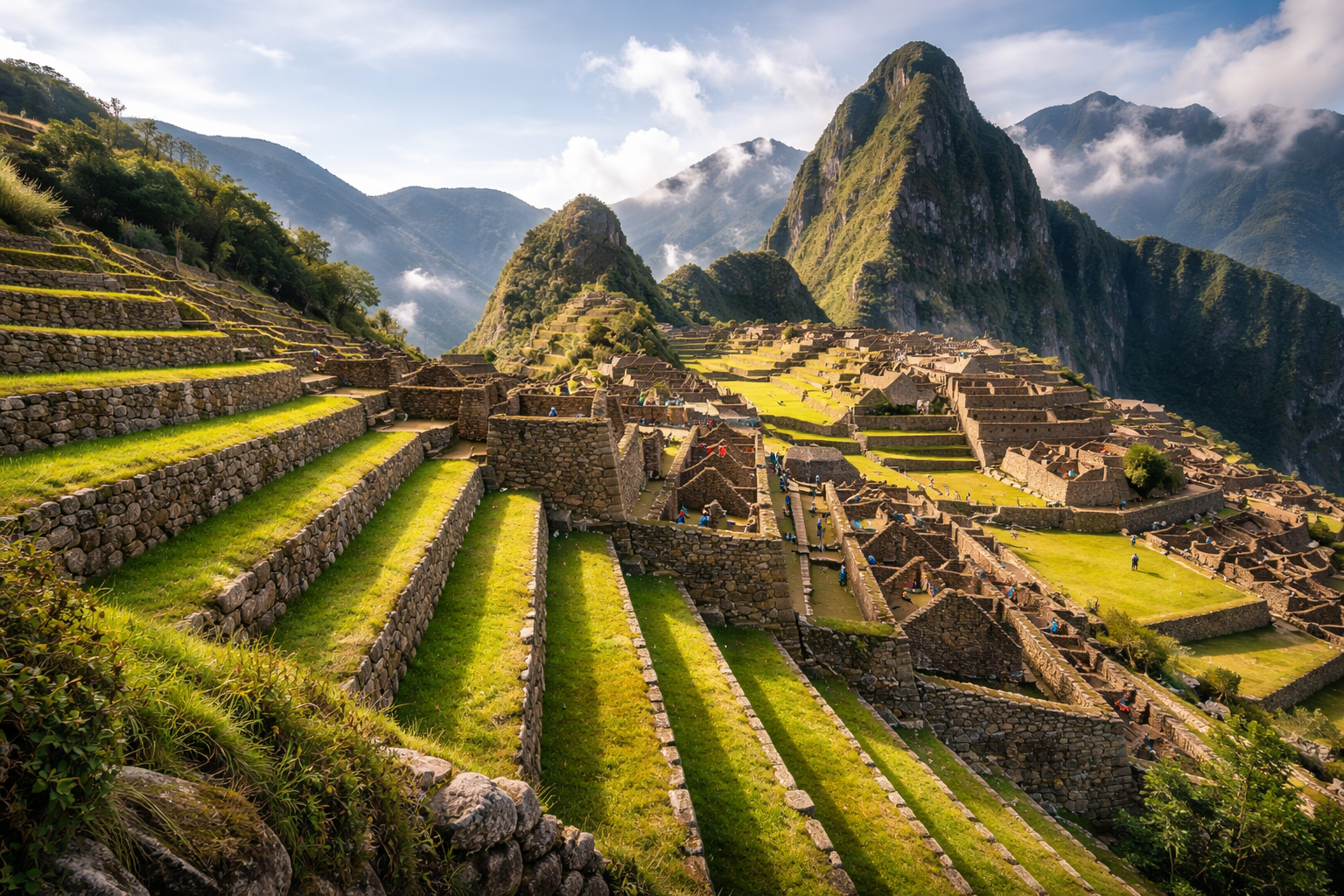
Exploring the Agricultural Terraces
One of the first things we did was walk along the famous Agricultural Terraces that wrap around the mountain.
These terraces once served several purposes:
- Growing crops
- Preventing landslides
- Managing drainage on the steep mountain slopes
But today, they also provide some of the most spectacular views anywhere in Machu Picchu.
We spent a long time wandering the paths together, stopping often to take photos and take in the scenery. From almost every angle, the view changes — mountains rise behind the ruins, clouds drift through the valley, and the entire place feels alive with history.
Walking along the ancient terraces at Machu Picchu, it was clear how much planning and engineering went into shaping the landscape. The terraces stretch across the mountainside in a series of wide, stepped levels supported by carefully constructed stone retaining walls.
Up close, you can see that each terrace was built in layers, with stone at the base and a mix of gravel, sand, and soil above it. This design allowed for proper drainage, which is one of the reasons the terraces have remained intact for centuries despite heavy rainfall in the region.
For a long day walking the site, comfortable hiking shoes, a small daypack, and a lightweight rain layer are all worth bringing.
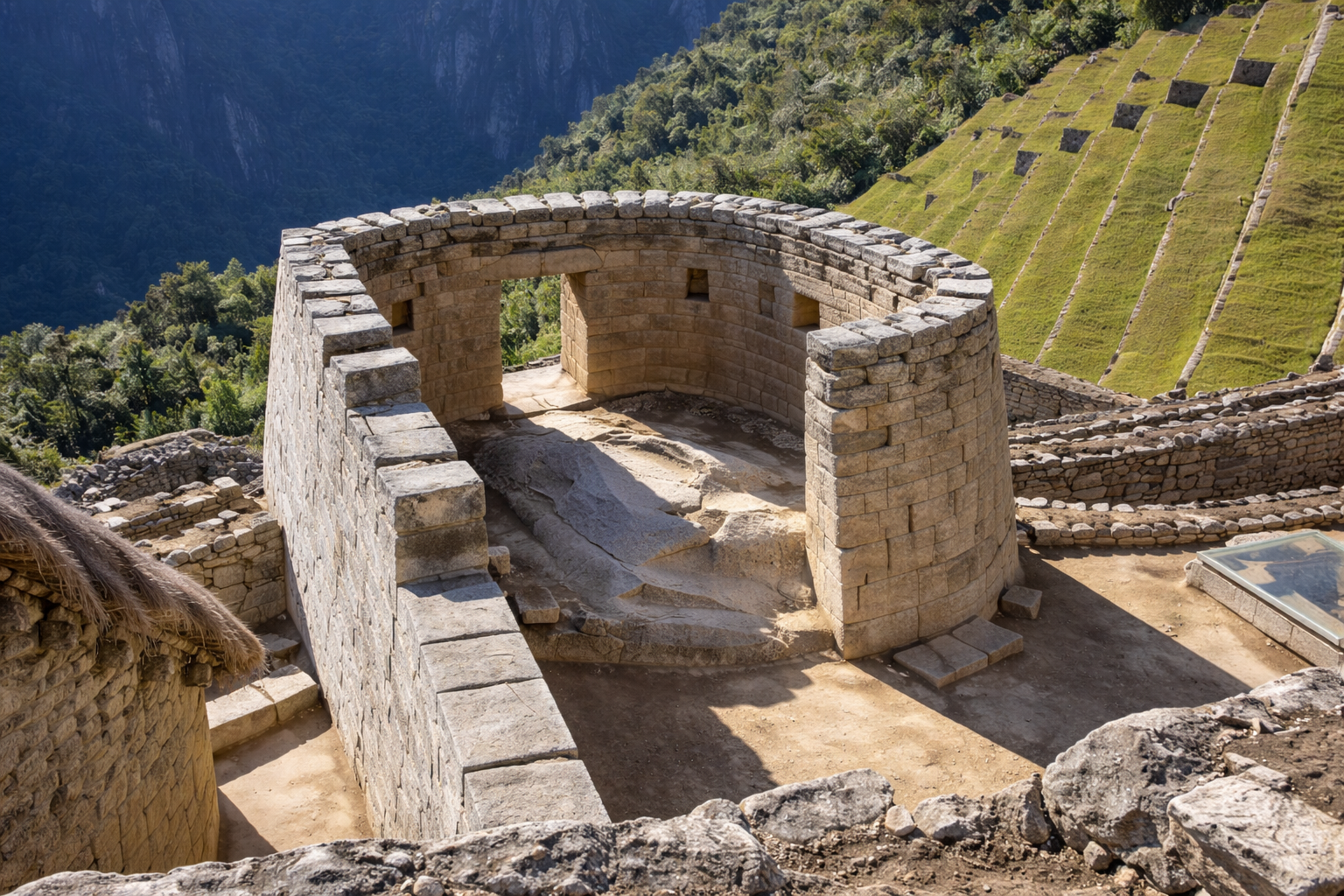
The Temple of the Sun
One of the most fascinating structures we visited was the Temple of the Sun. Walking through the Sacred District of Machu Picchu, it immediately stood out as one of the most unique buildings on the site.
Although we weren’t allowed inside the temple, we were still able to get a clear view from the designated viewing areas. From there, the finely cut stonework and the trapezoidal windows were easy to appreciate.
Just below the temple is a cave-like chamber often called the Royal Tomb. While its exact purpose is still debated, the carved stone features suggest it had ceremonial significance.
Helpful Extras for This Kind of Trip

Hiking Huayna Picchu
One of the highlights of our visit was hiking Huayna Picchu, the steep mountain that rises behind Machu Picchu. The trail is narrow and steep, with sections of uneven stone steps that climb sharply up the mountainside.
As we made our way up, the climb required constant attention to footing, especially on the steeper stair sections. Along the route, there are terraces and smaller stone structures built into the mountain.
When we reached the top, the view completely opened up. From the summit, you can see the entire Machu Picchu citadel spread out across the terraces below, with the surrounding mountains extending in every direction and the Urubamba River winding through the valley.
For this part of the trip especially, we’d recommend solid waterproof hiking shoes, a comfortable small backpack, and a hydration/electrolyte option for longer travel days.
How to Plan a Machu Picchu Trip (Quick Overview)
- Trip Length:
2–4 days is ideal for visiting Machu Picchu and exploring the surrounding area. - Best Way to Explore:
Train from Cusco or a guided trek like the Inca Trail or Salkantay route. - Main Areas:
Cusco, Sacred Valley, Aguas Calientes, and Machu Picchu itself. - Top Experiences:
Exploring the ruins, hiking Huayna Picchu, scenic train rides, and mountain viewpoints.
Machu Picchu is a bit more structured than other destinations, since entry tickets, train schedules, and access times are limited. Planning ahead makes a huge difference. Once everything is booked, though, the experience flows smoothly and becomes one of the most unforgettable trips you can take.
Useful Gear for Machu Picchu

High-altitude sun can be intense, and a good hat helps on long walking days.
- ✔ Great for sun protection
- ✔ Lightweight
- ✔ Easy to pack

Great for keeping your phone charged while taking photos and navigating travel days in Peru.
- ✔ Useful all day
- ✔ Great for travel
- ✔ Easy to carry

A smart way to stay organized between Cusco, Aguas Calientes, and the rest of your Peru trip.
- ✔ Great for organization
- ✔ Useful for multi-stop trips
- ✔ Easy to pack
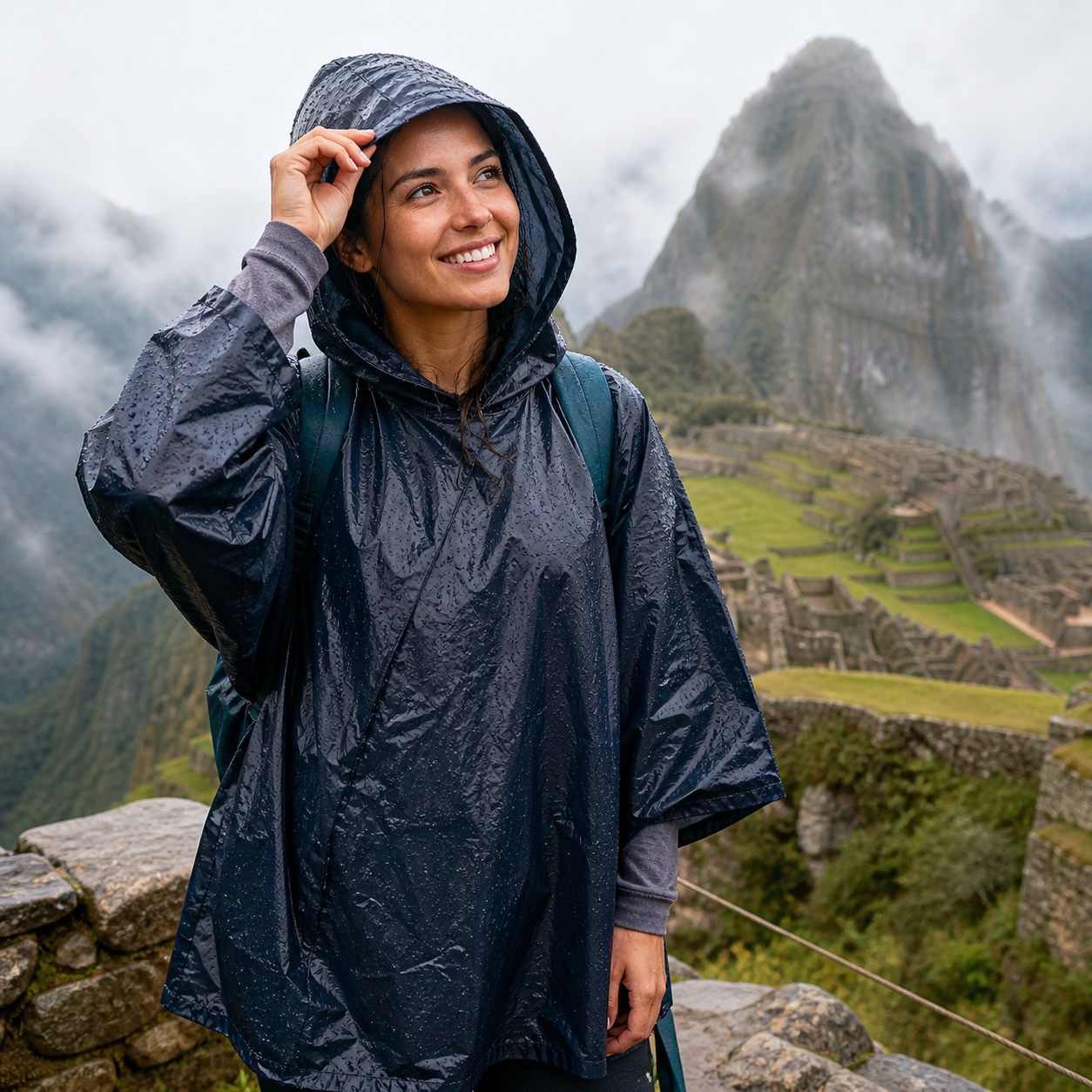
Mountain weather changes quickly, and a lightweight poncho keeps you dry without taking up space.
- ✔ Packs extremely small
- ✔ Quick protection from rain
- ✔ Ideal for unpredictable weather
10 Reasons to Visit Machu Picchu, Peru
Machu Picchu is the kind of destination that delivers on everything travelers hope for — dramatic scenery, unforgettable history, rewarding hikes, and the feeling of standing somewhere that truly matters.
If you are wondering what makes Machu Picchu so iconic, the answer is not just one thing. It is the way the ruins, the mountain setting, the mist, the trails, and the sense of history all come together in a way that feels larger than everyday travel.
Below are 10 of the biggest reasons Machu Picchu stands out, each structured as a full feature so you can give every reason its own image and more premium editorial treatment.
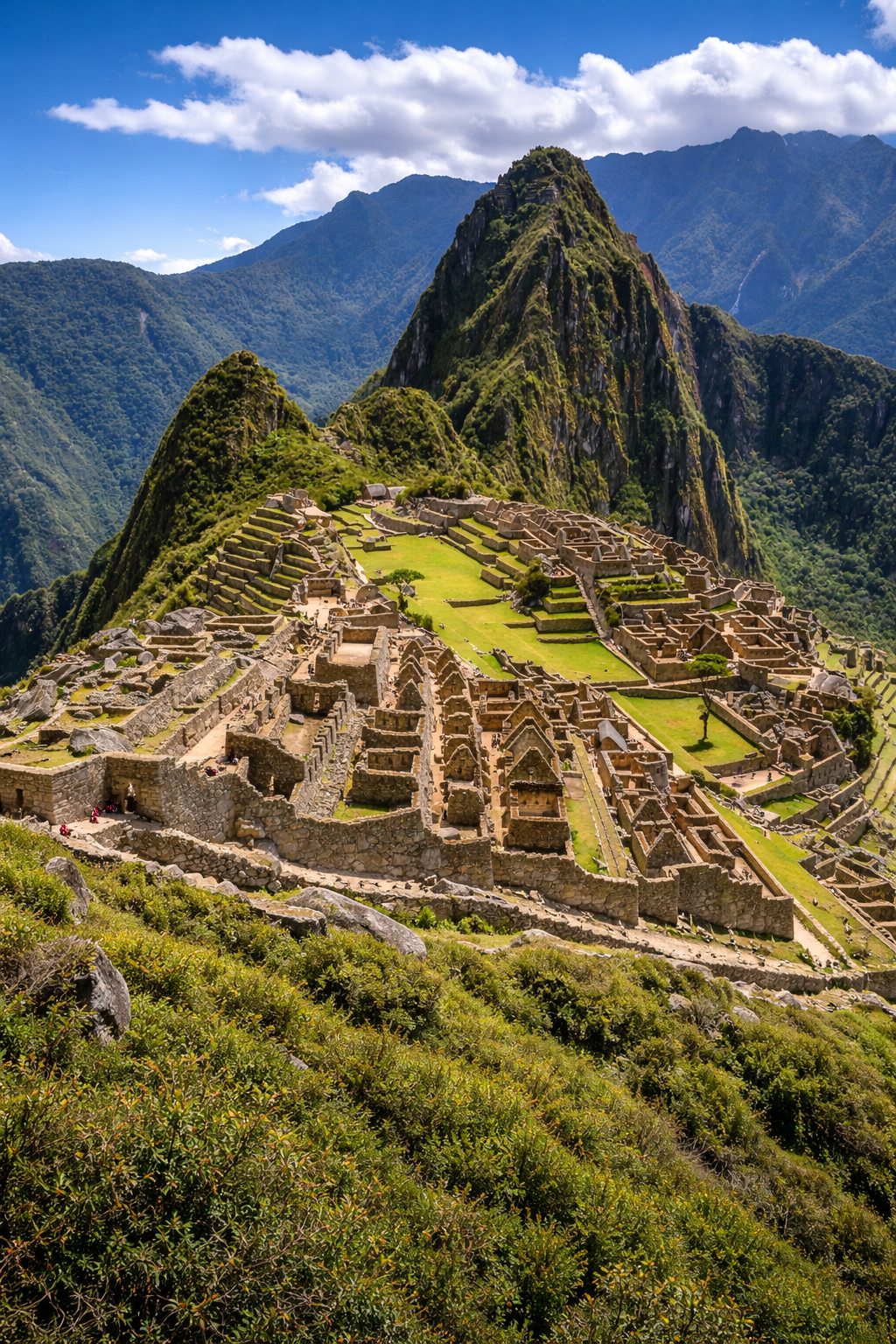
1. The Setting Feels Almost Unreal
Machu Picchu is one of those places where the setting alone makes it unforgettable. The ruins sit high in the Andes, surrounded by steep green peaks, dramatic clouds, and deep valleys that make the whole place feel suspended in the mountains.
That mountain setting gives the site a kind of visual impact that is hard to compare to anything else. It is not just the ruins you are looking at — it is the entire environment around them.
Even before you start exploring details, the first full view of Machu Picchu is the kind of moment that makes people stop and stare.
It is a huge part of why this destination lives up to its reputation.
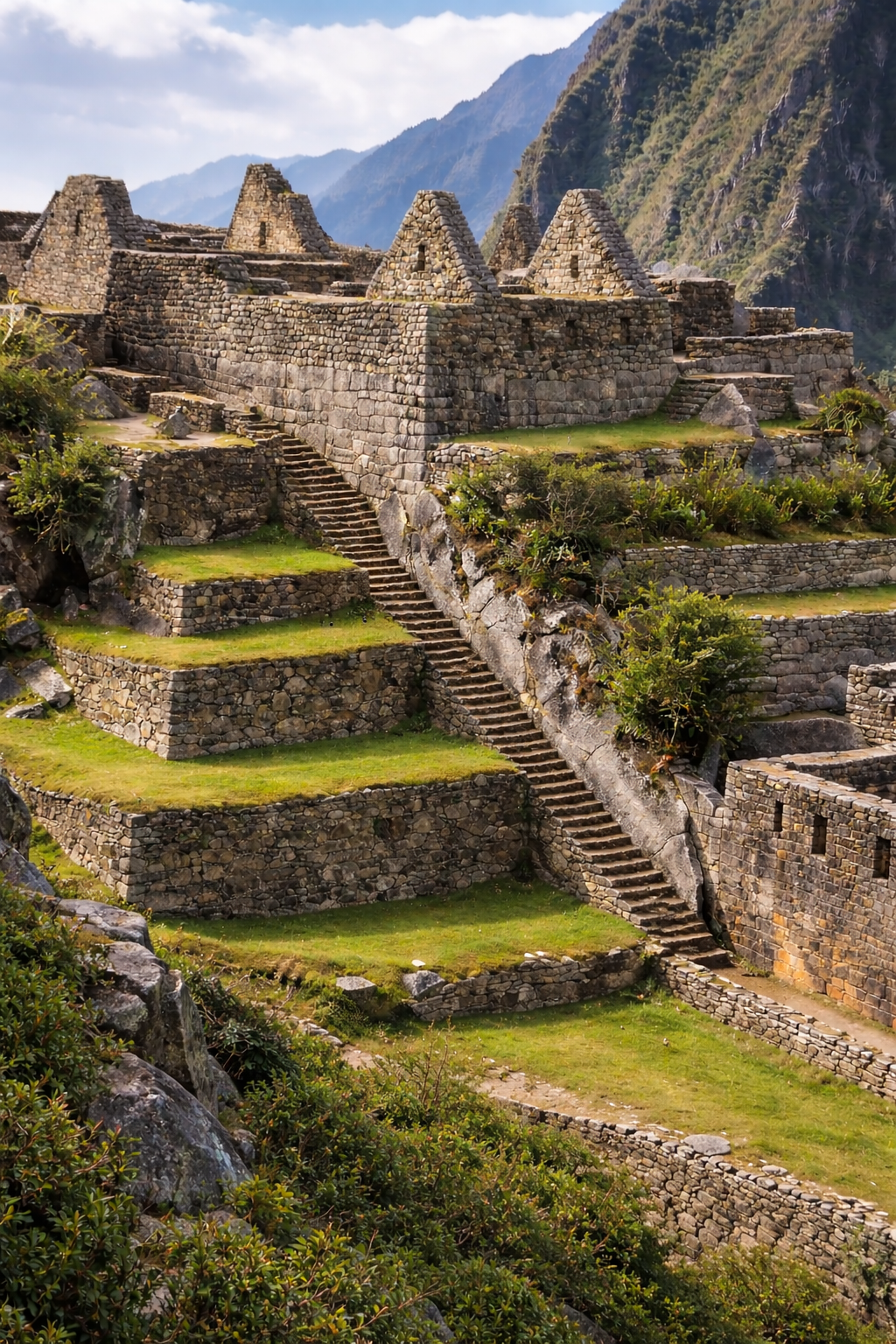
2. The Inca History Feels Tangible
What makes Machu Picchu especially memorable is that the history does not feel abstract when you are there. The stonework, terraces, temples, and pathways all make the site feel deeply connected to the people who built it.
You are not just reading about history from a distance. You are walking through a place where the skill, planning, and engineering still feel visible in every direction.
That makes the whole visit feel more meaningful than a standard sightseeing stop.
It gives the destination an emotional depth that stays with people long after they leave.
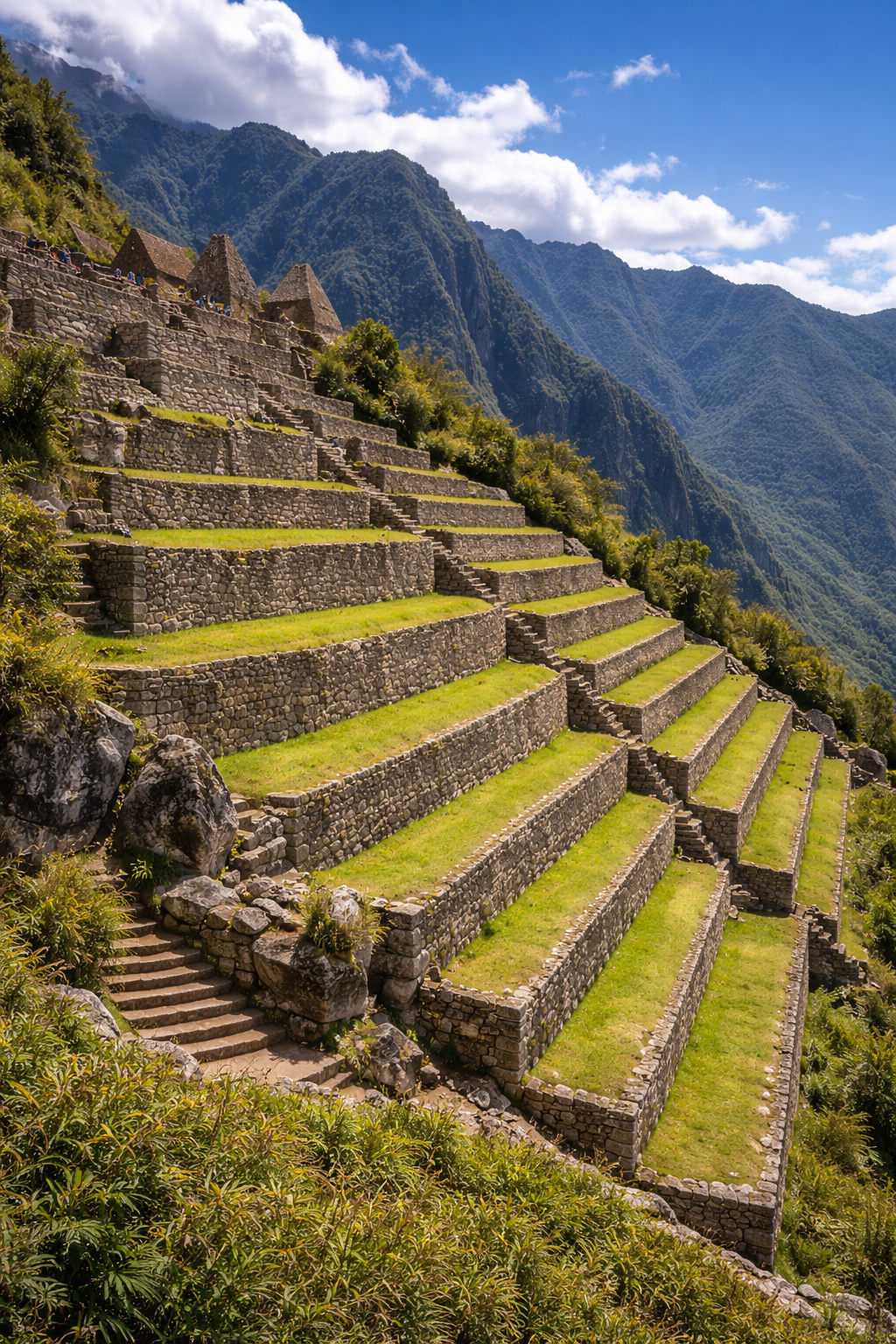
3. The Terraces Are Beautiful and Ingenious
The agricultural terraces are one of the most visually striking parts of Machu Picchu, but they are also one of the clearest examples of the thought and engineering behind the site.
They make the whole mountain feel sculpted and intentional, while also creating some of the best views across the ruins.
Walking along them gives you a stronger appreciation for how carefully the landscape was shaped.
They are one of the reasons the site feels so layered and interesting instead of just visually impressive from afar.
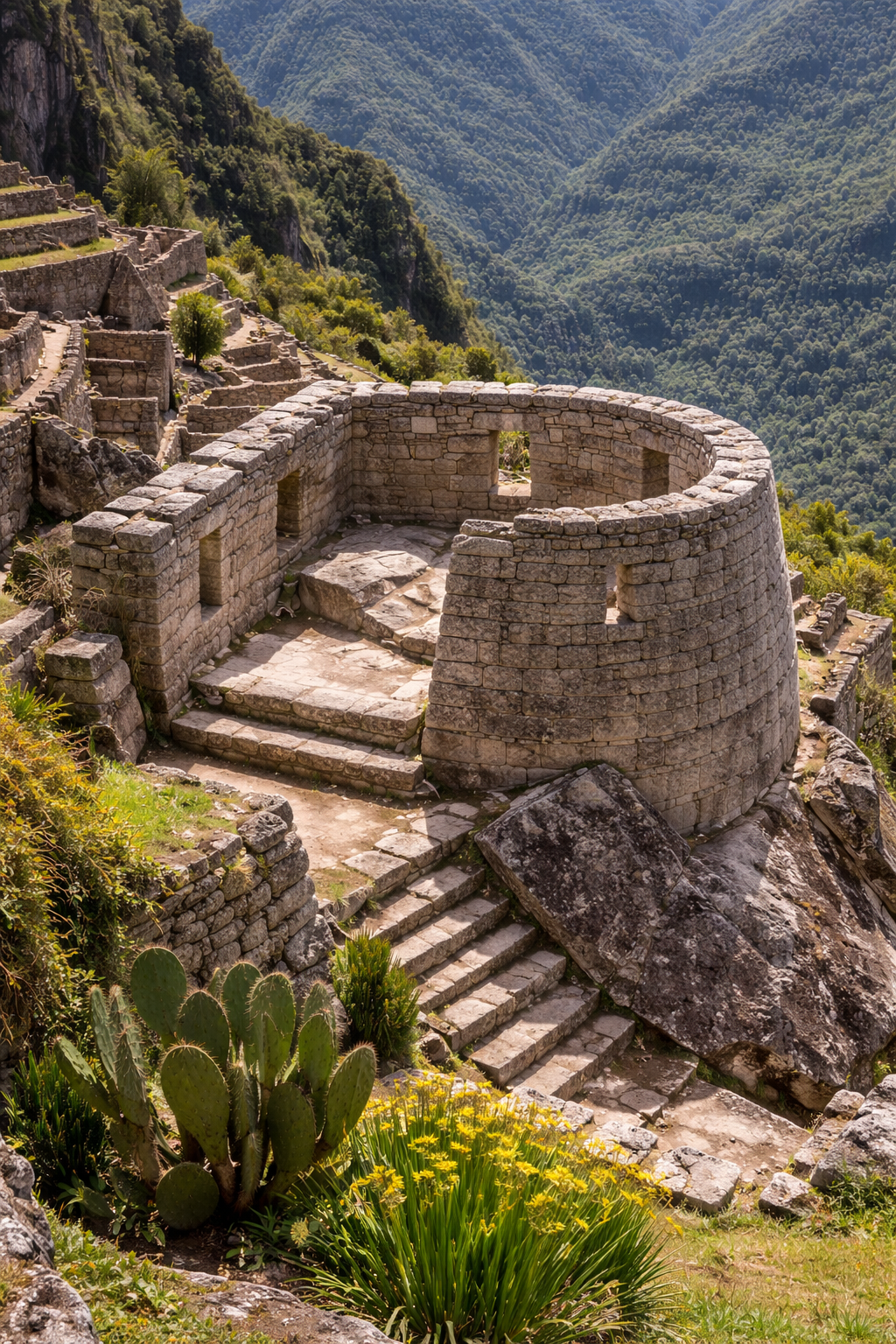
4. The Temple Areas Make the Site Feel Even More Fascinating
Structures like the Temple of the Sun add another layer to the experience because they make Machu Picchu feel not just scenic, but deeply ceremonial and culturally important.
The stonework, layout, and overall design make it easier to imagine how significant the site must have been in its time.
These sections help the visit feel richer and more complex than simply looking at ruins from a distance.
They give travelers more to think about as they move through the site.
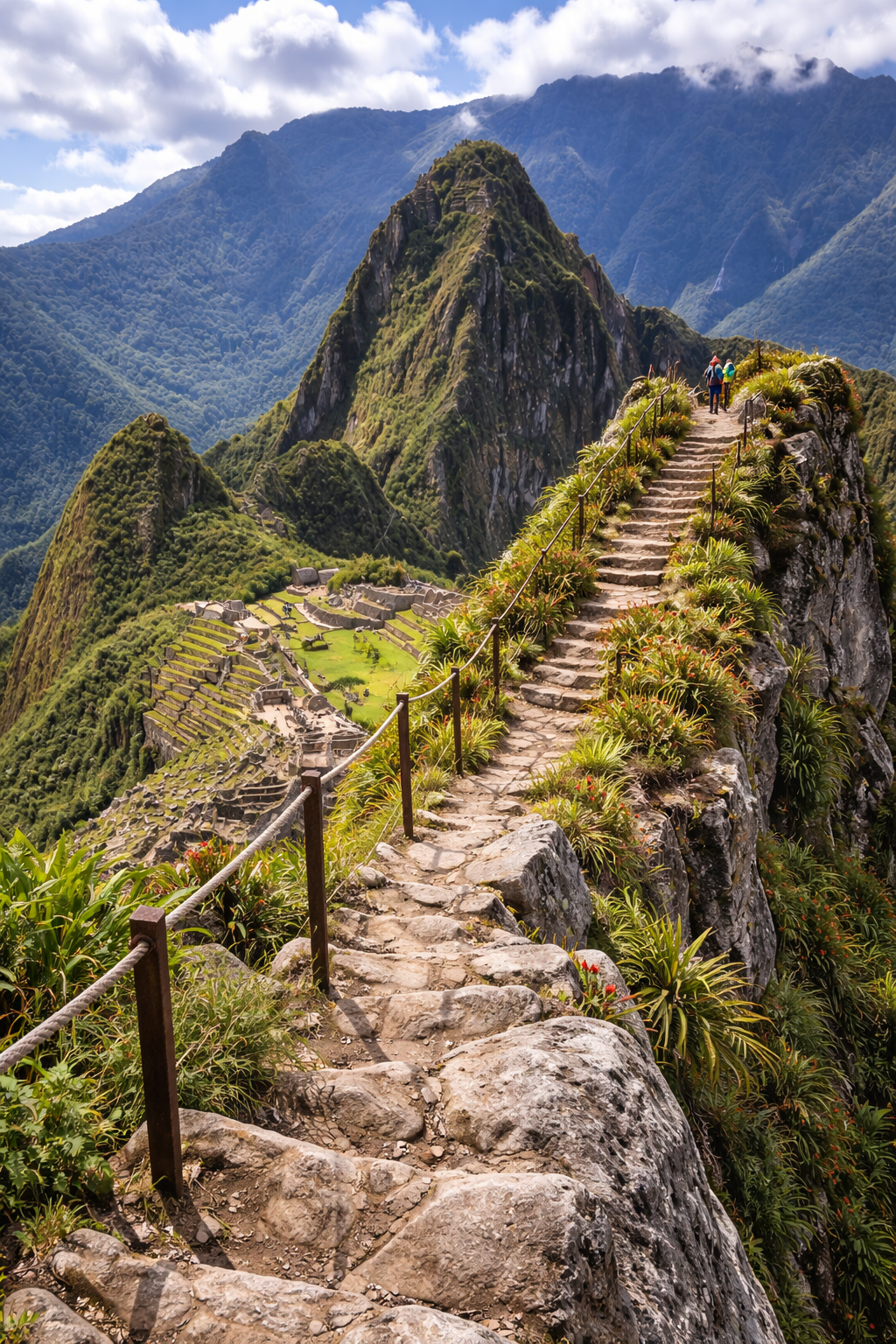
5. Huayna Picchu Takes the Experience to Another Level
For travelers who choose to do it, hiking Huayna Picchu adds a whole new perspective to the Machu Picchu experience. The climb is steep and demanding, but the payoff is unforgettable.
From the top, you can see the whole citadel and the surrounding mountains in a way that makes the site feel even more dramatic.
It is one of those moments that makes the trip feel even more personal and rewarding.
For active travelers especially, it becomes one of the most memorable parts of the visit.
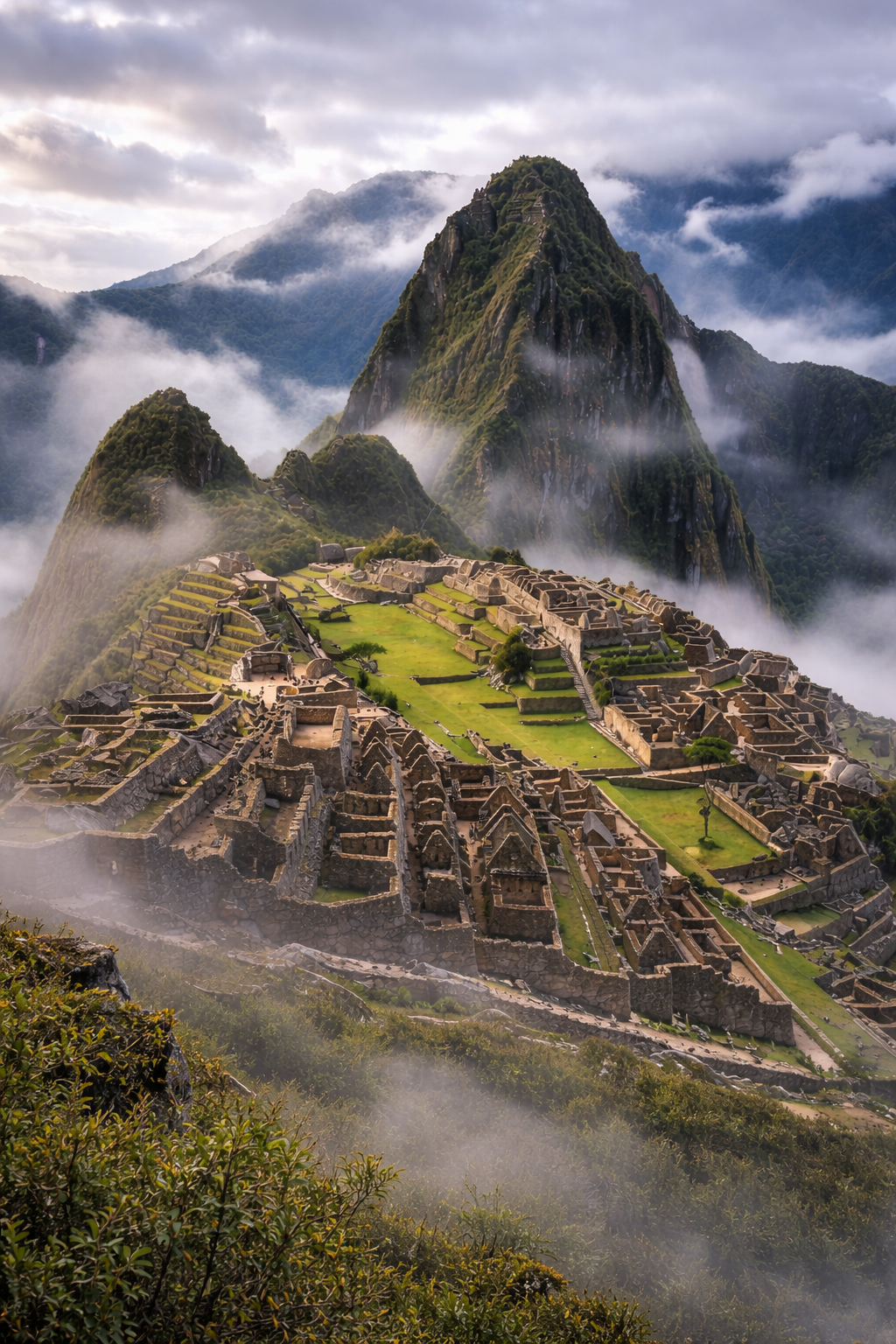
6. The Mist and Morning Atmosphere Feel Magical
One of the most memorable things about Machu Picchu is how the atmosphere changes with the weather and time of day. Mist, clouds, and shifting light can make the site feel even more dramatic.
That gives the destination a sense of mystery and movement that helps it feel different from hour to hour.
It is a big reason why early visits often feel so rewarding.
The site does not just sit there unchanged — it feels alive in the landscape around it.
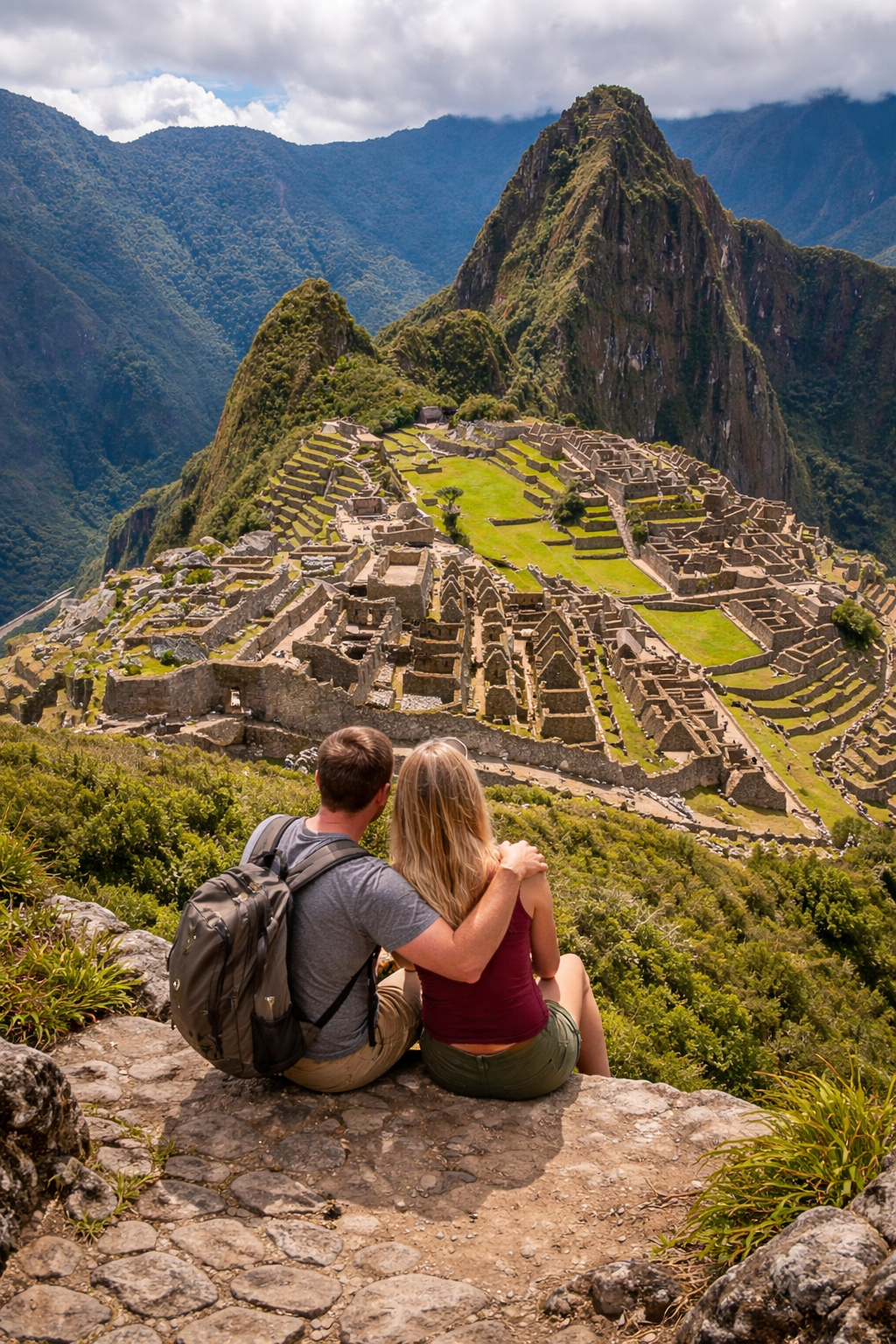
7. The Views Keep Changing as You Walk
One of the best things about visiting Machu Picchu is that the scenery does not stop after the first big viewpoint. As you move through the site, the angles, terraces, mountains, and ruins all shift in ways that keep the experience fresh.
That means the visit keeps rewarding you as you explore, rather than feeling like one quick photo moment.
It helps the whole site feel more immersive and more memorable.
There is always another beautiful perspective waiting around the corner.
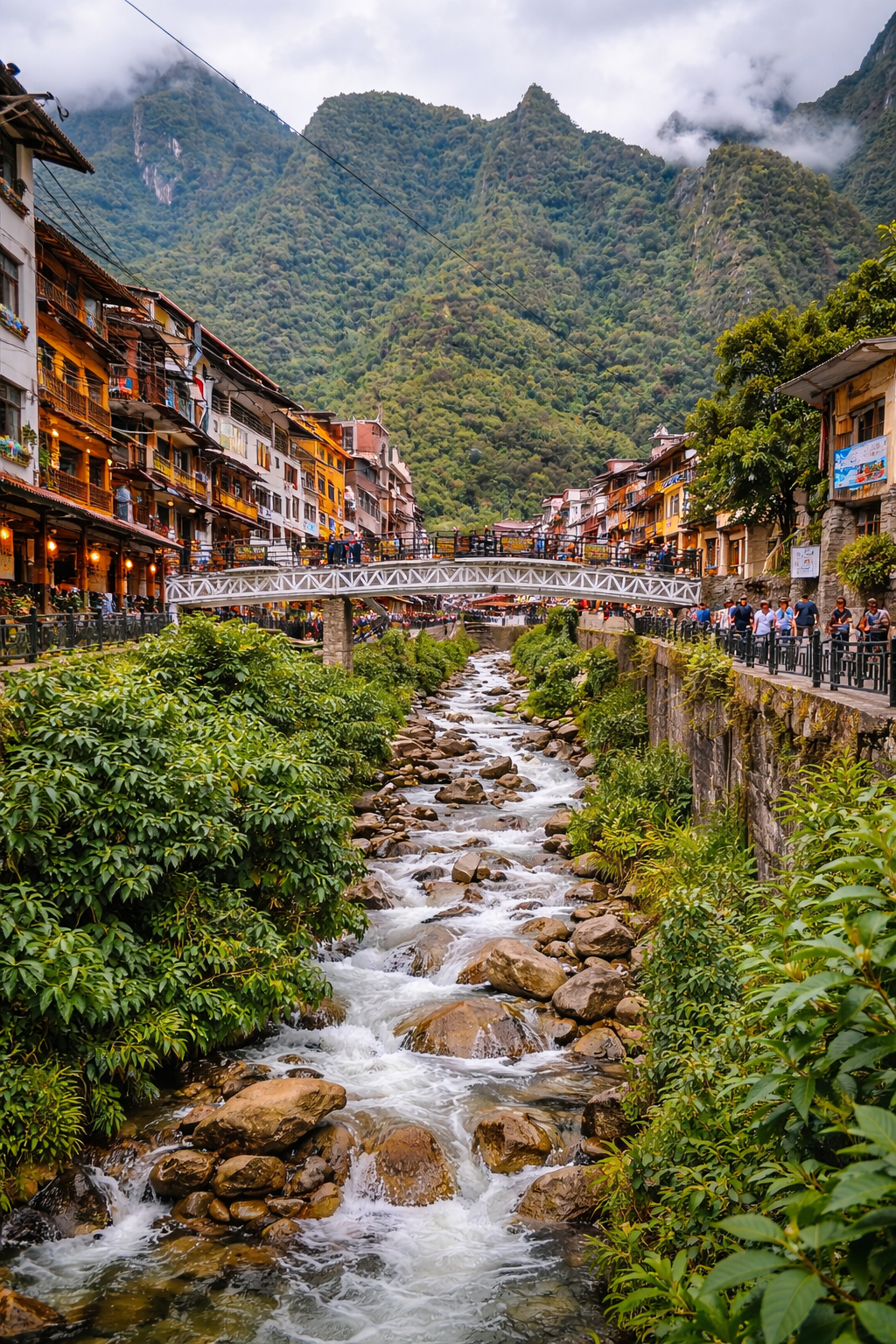
8. The Journey There Adds to the Experience
Part of what makes Machu Picchu feel special is that getting there already feels like part of the adventure. Whether you arrive by train or hike in, the journey helps build anticipation in a way that makes the destination hit even harder once you see it.
That extra buildup gives the experience a stronger sense of payoff.
It makes Machu Picchu feel earned in a way that many travel destinations do not.
The trip becomes memorable from before you even reach the entrance.
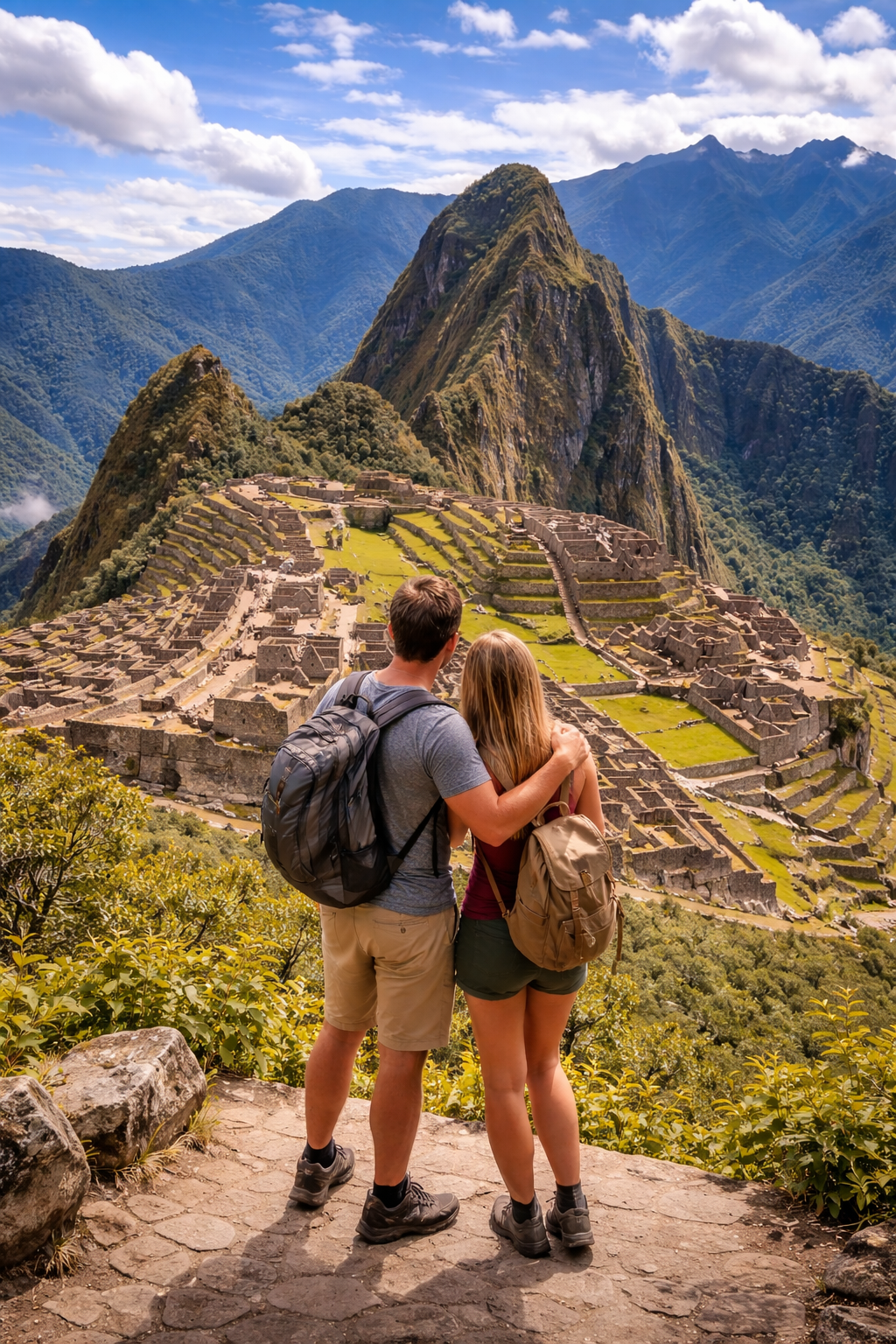
9. It Feels Like a Shared Experience You Remember Forever
Machu Picchu is the kind of destination that feels especially memorable when you experience it with someone else. The scenery, the scale, and the emotional weight of finally being there all make the day feel significant.
It is not romantic in a beach-destination kind of way, but it is deeply memorable for couples because the whole experience feels meaningful and shared.
That helps the trip stand out long after it is over.
It becomes one of those travel days you keep talking about afterward.
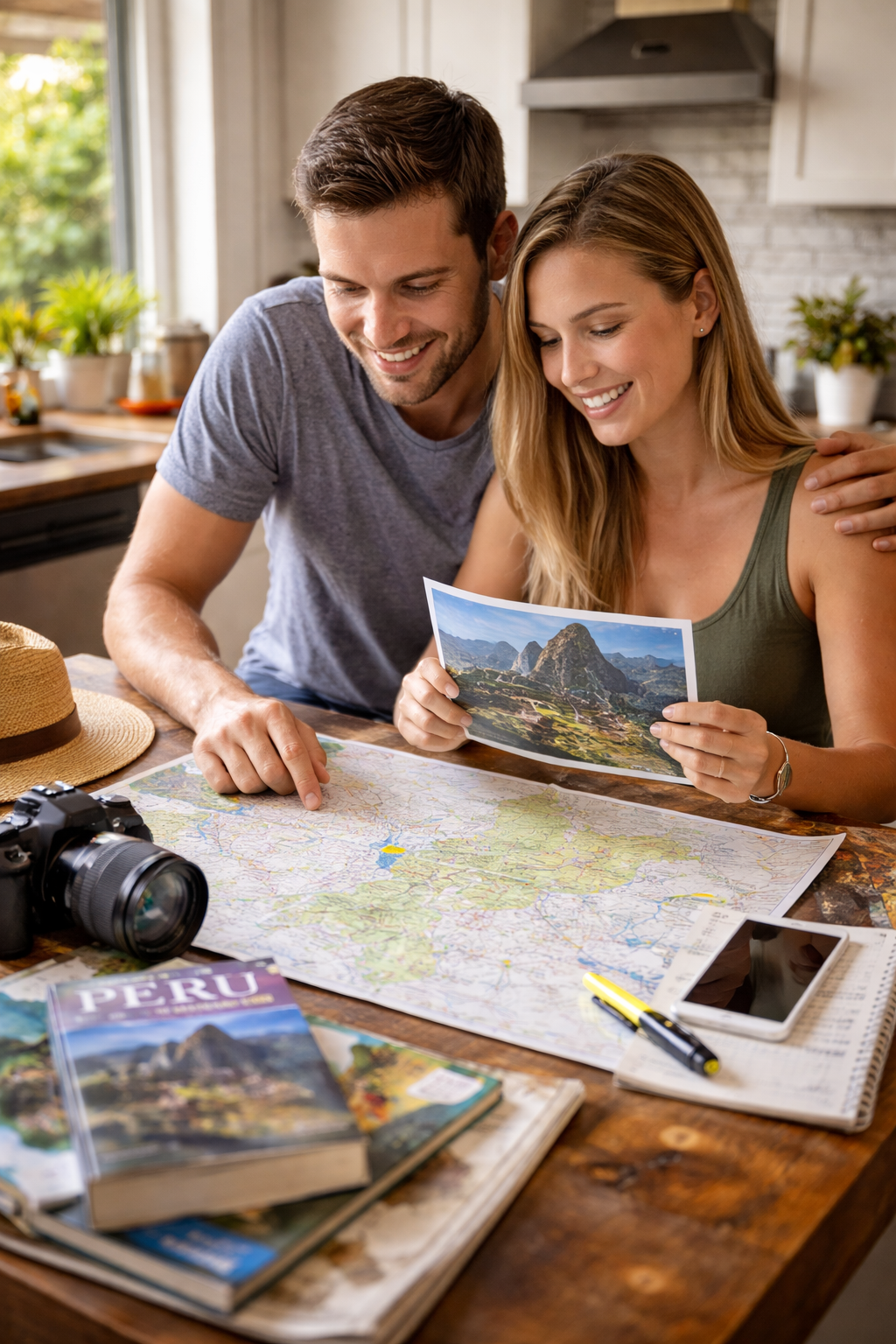
10. It Truly Feels Like a Bucket List Trip That Lives Up to the Hype
Some destinations are so famous that they struggle to match the expectations people bring with them. Machu Picchu is not one of them.
The beauty, the history, the mountain setting, and the overall feeling of being there all come together in a way that really does justify the reputation.
It feels bigger than ordinary sightseeing and more emotionally memorable than many other famous landmarks.
For travelers looking for a true once-in-a-lifetime experience, Machu Picchu makes a very strong case for itself.
For smoother planning, a set of packing cubes and an organized anti-theft daypack can really help.
A few things we’d especially want for all these Machu Picchu experiences are a lightweight daypack, hiking shoes, a portable charger, and sunscreen.
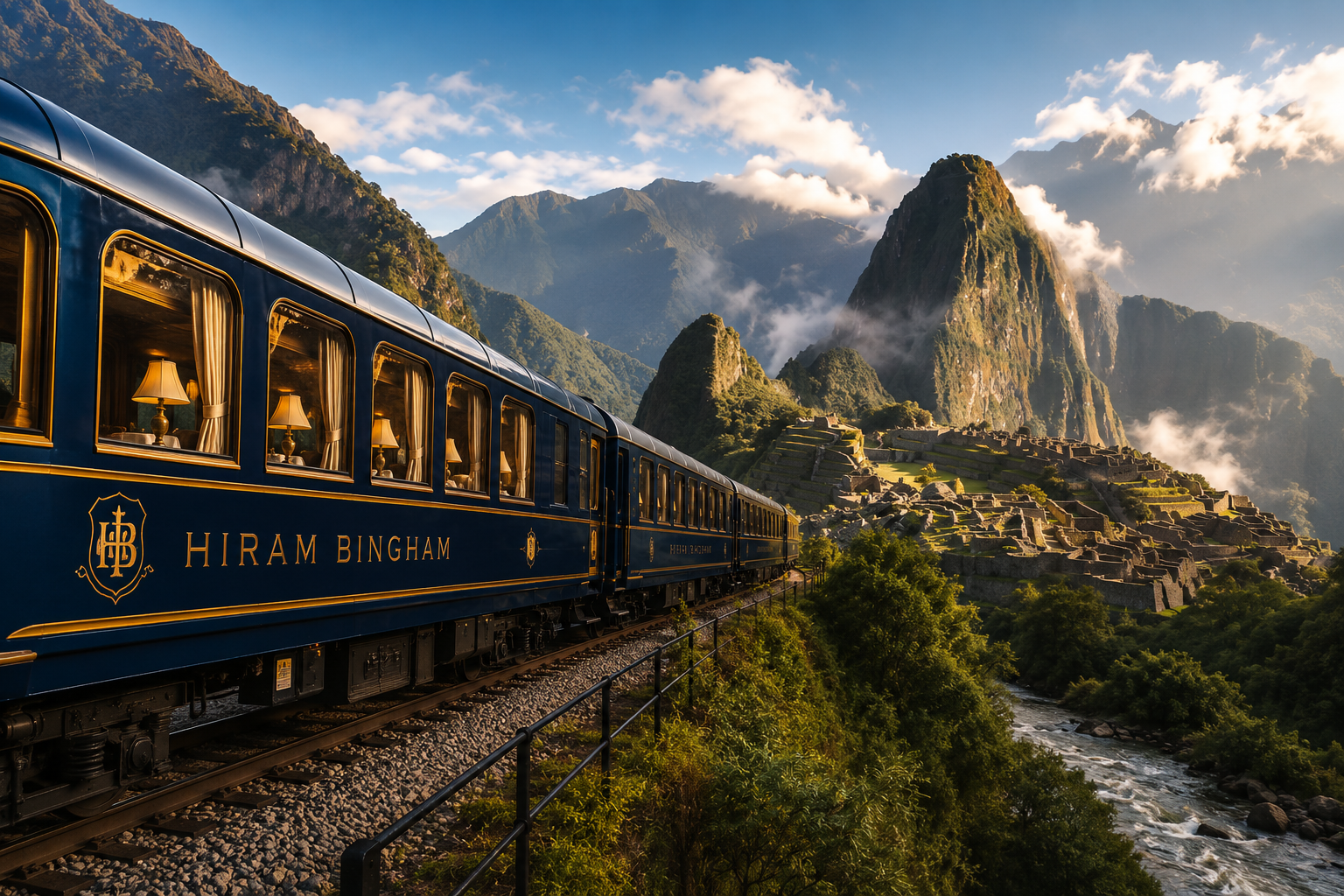
🚂 Luxury Hiram Bingham Train Experience
Travel to Machu Picchu aboard the legendary Hiram Bingham luxury train and experience one of the most unforgettable rail journeys in the world.
- ✔ Elegant vintage-style luxury train
- ✔ Gourmet dining & live music onboard
- ✔ Stunning Sacred Valley scenery
- ✔ Bucket-list experience to Machu Picchu
More Unique Experiences Around Machu Picchu
Looking for something beyond the classic visit? These unique experiences add a deeper and more memorable side to your trip.
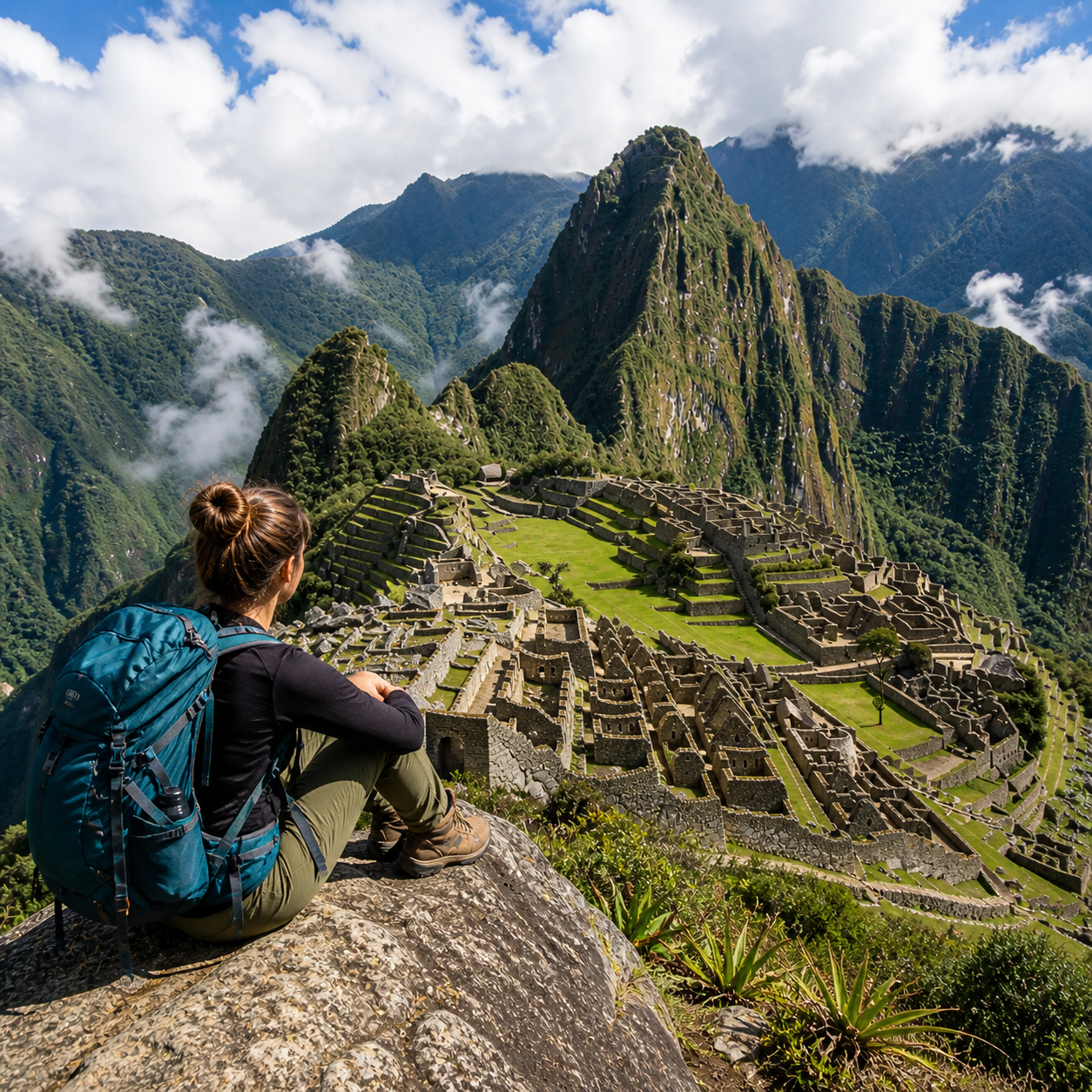
⛰️ Machu Picchu + Huayna Picchu Hike
• Incredible panoramic views
• Limited daily permits
• Great for adventure seekers
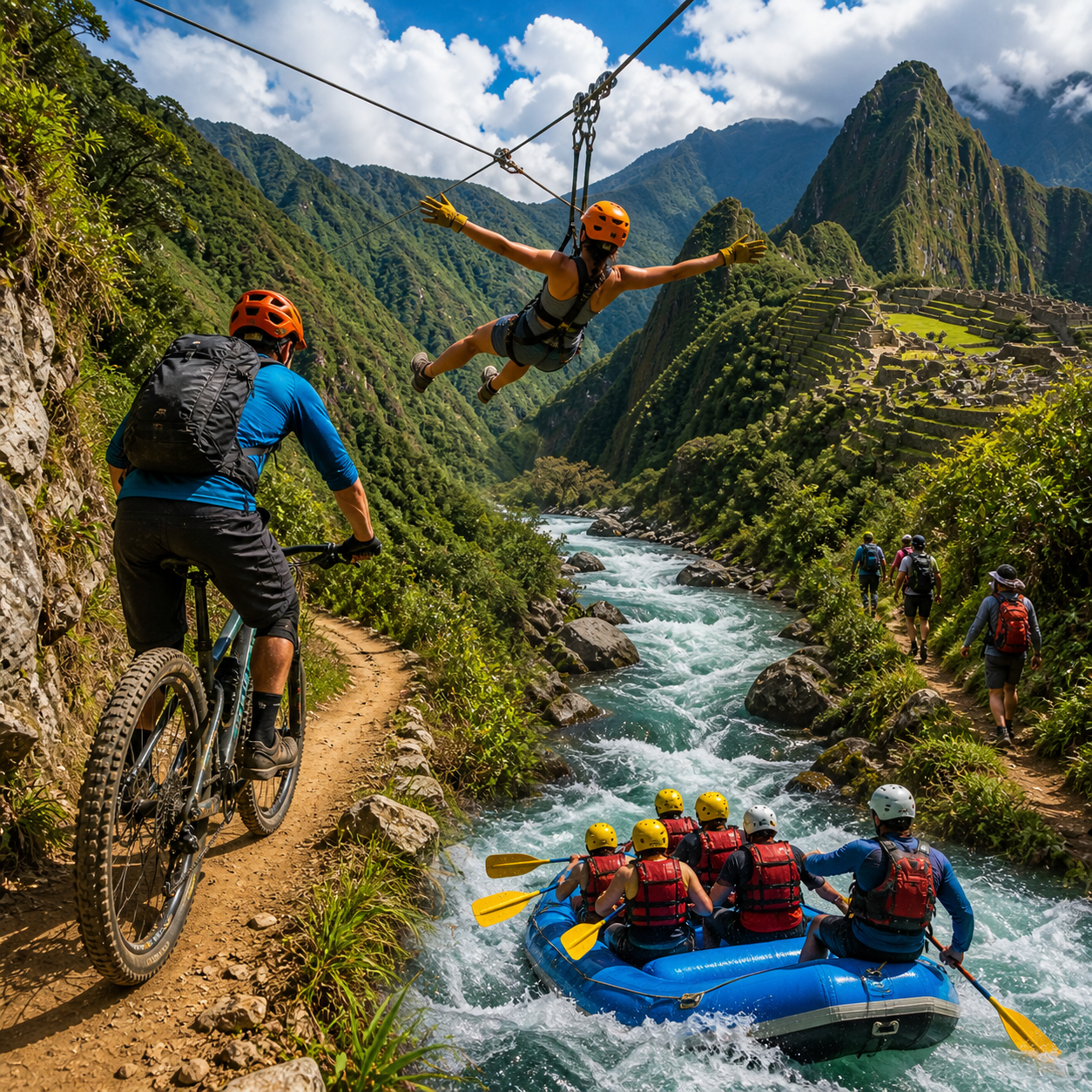
🚴♂️ 4-Day Inca Jungle Adventure
• Whitewater rafting included
• Jungle zipline experience
• Guided trek to Machu Picchu
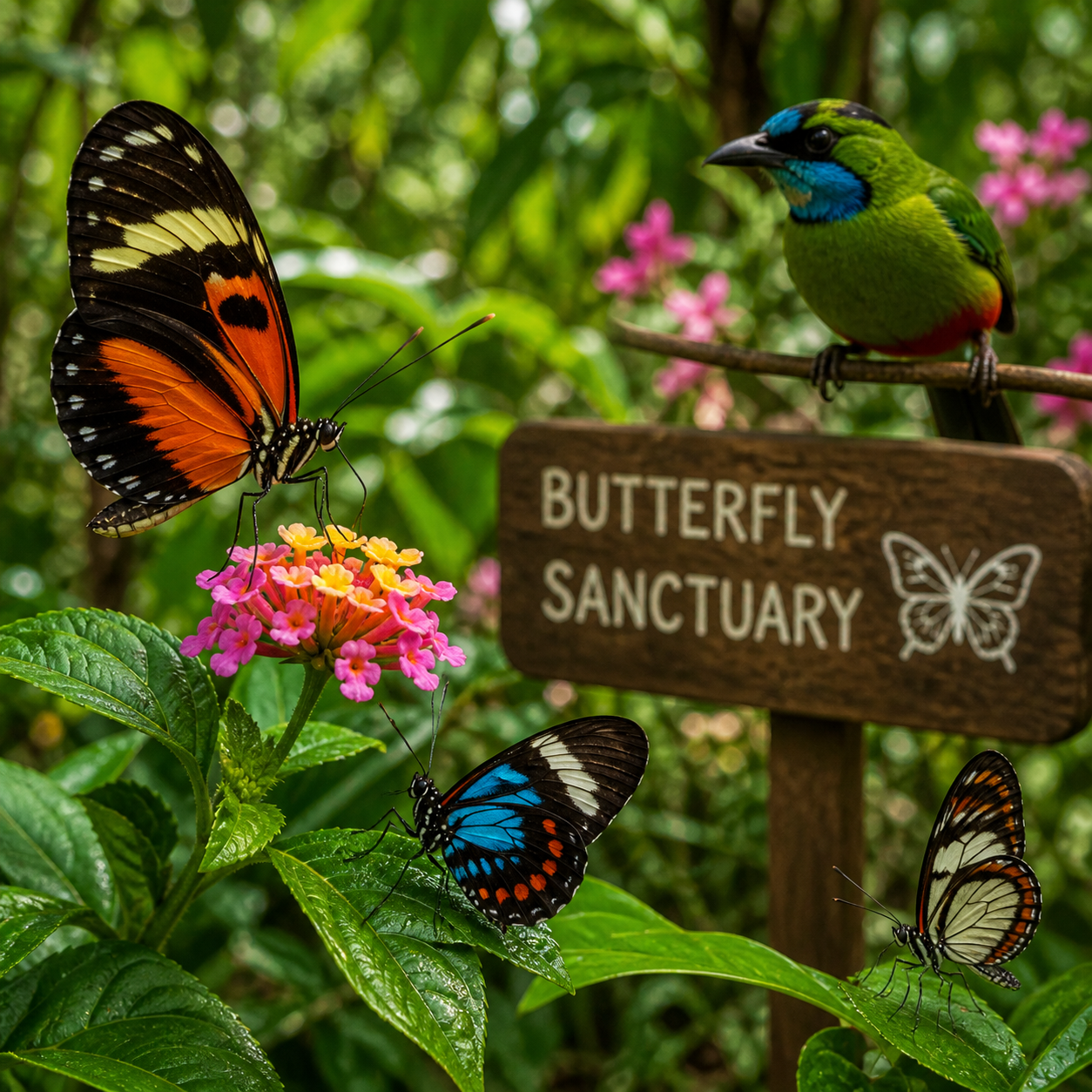
🦋 Butterfly Sanctuary & Birdwatching Tour
• Spot exotic birds nearby
• Guided nature walk
• Peaceful low-key activity
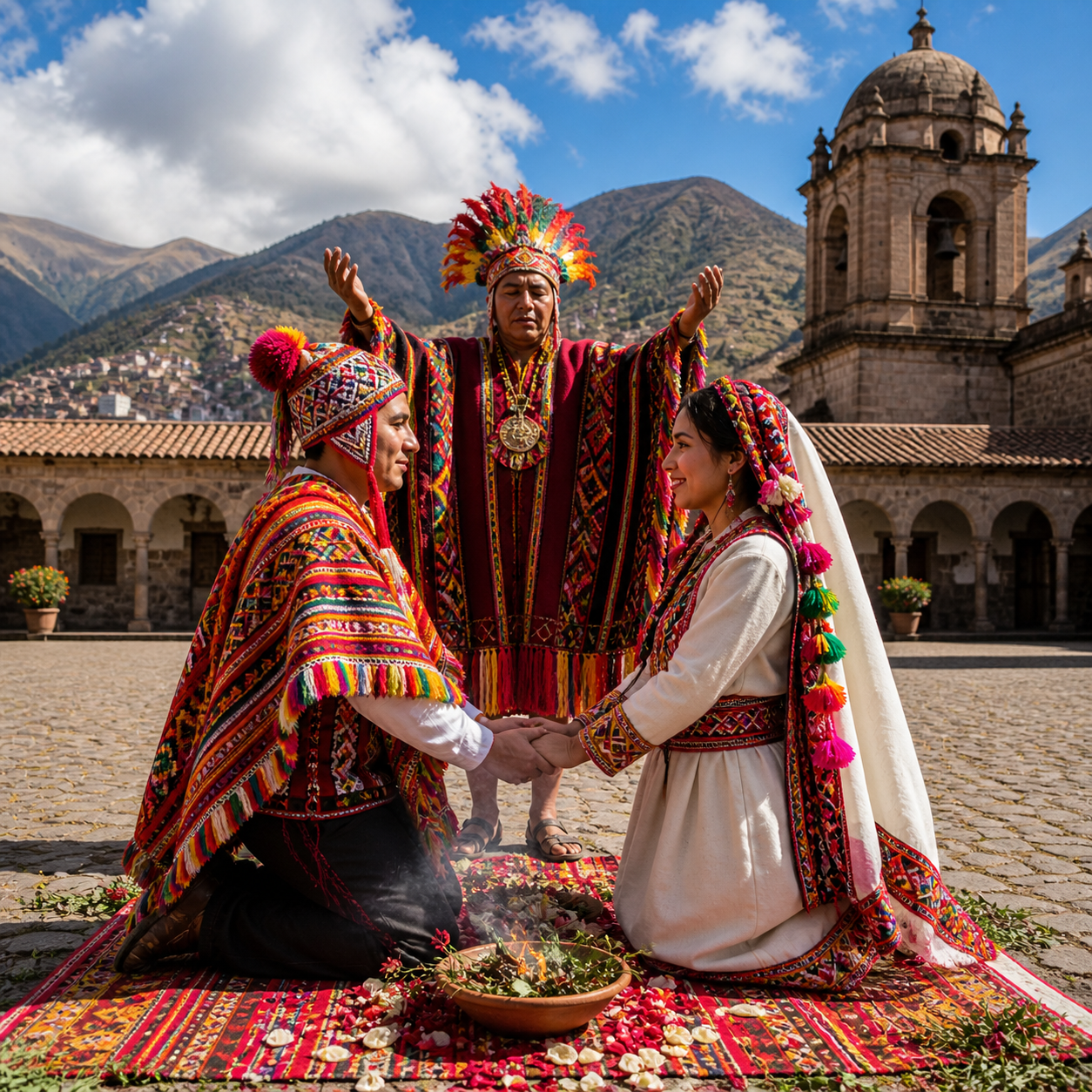
💍 Traditional Andean Marriage Ceremony
• Led by local spiritual guides
• Meaningful cultural activity
• Great experience for couples
Quick Gear We’d Recommend for Machu Picchu
If you’re planning this trip, a few smart essentials can make the day much easier. We’d absolutely bring a lightweight daypack, dependable hiking shoes, a packable rain jacket, strong portable power, and reliable sunscreen.
Smart Extras for a Long Day on Site
A few other useful items for Machu Picchu are a good sun hat, a water bottle, a waterproof phone pouch, and a compact packing cube set to keep travel day essentials organized before and after the visit.
Local Cuisine You Can’t Miss in Peru
Must-Try Dishes in Peru
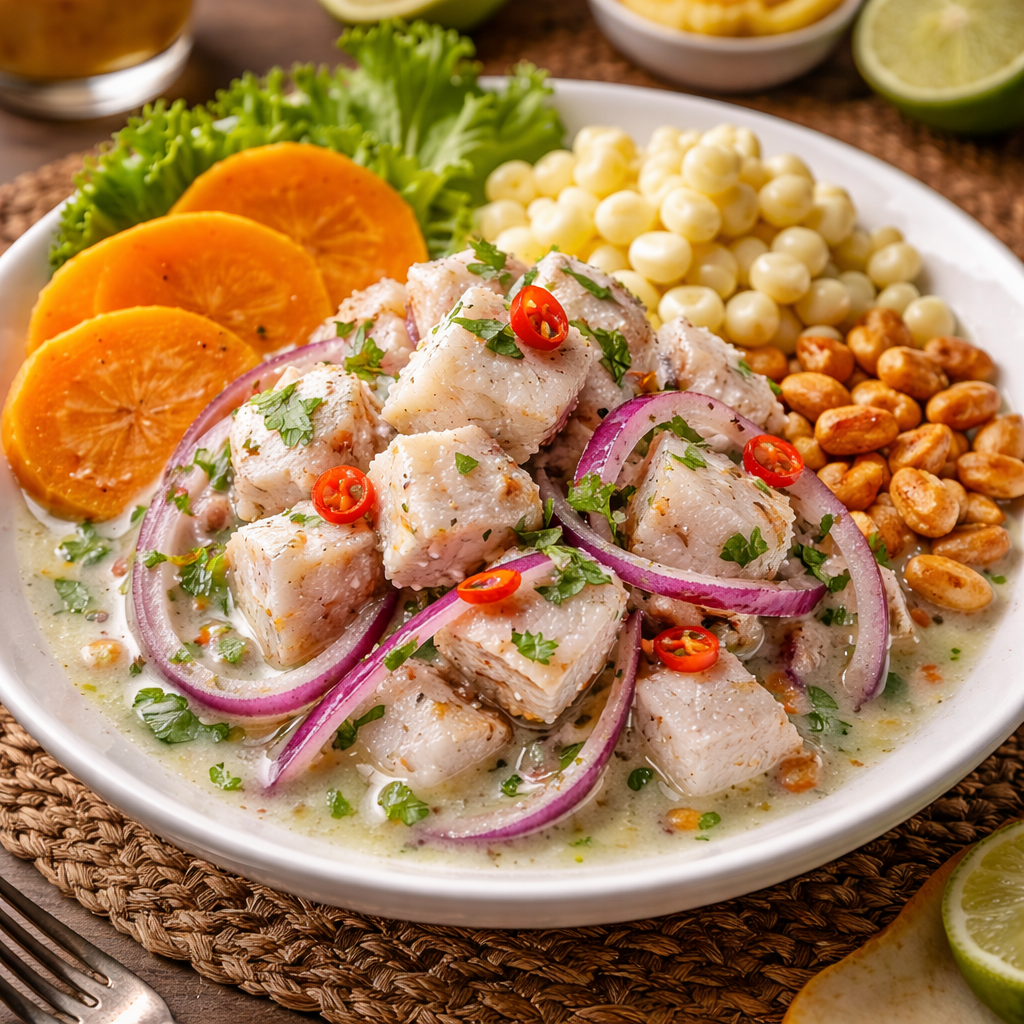
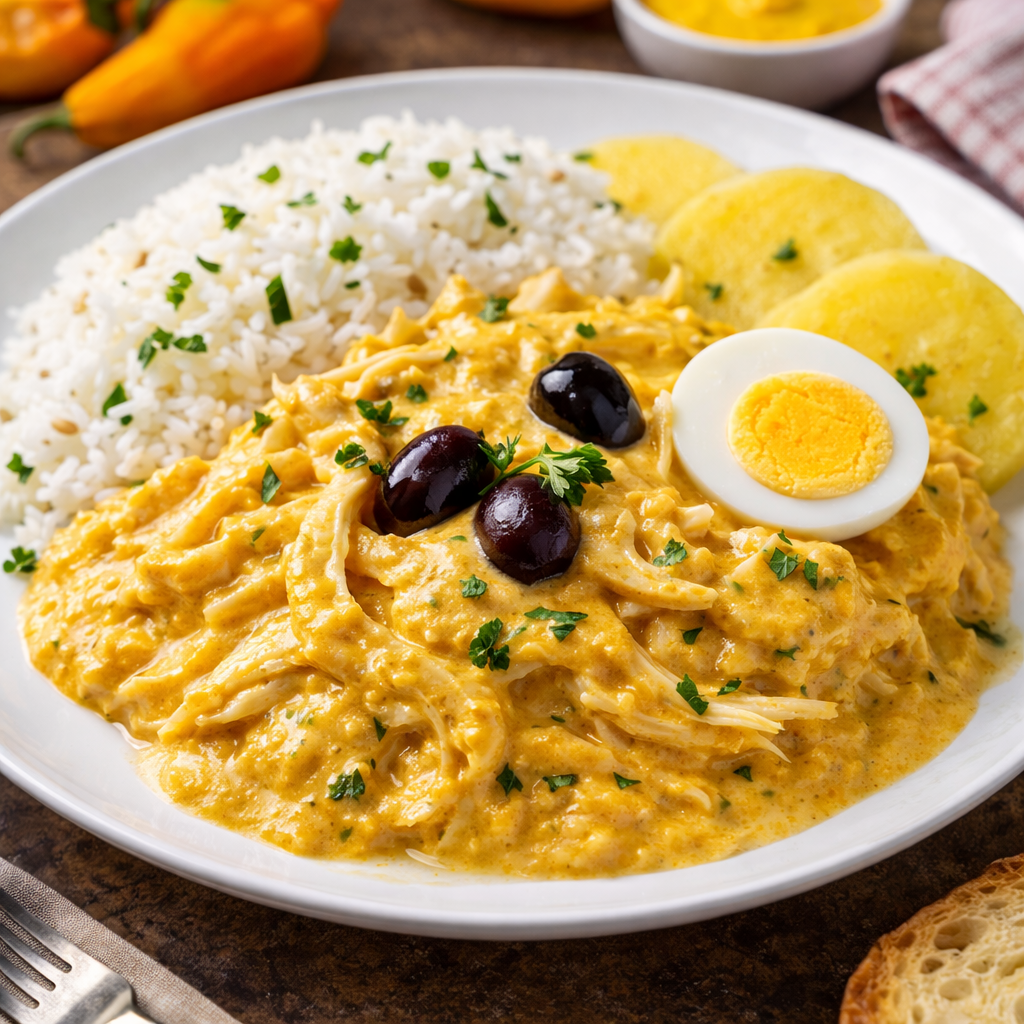
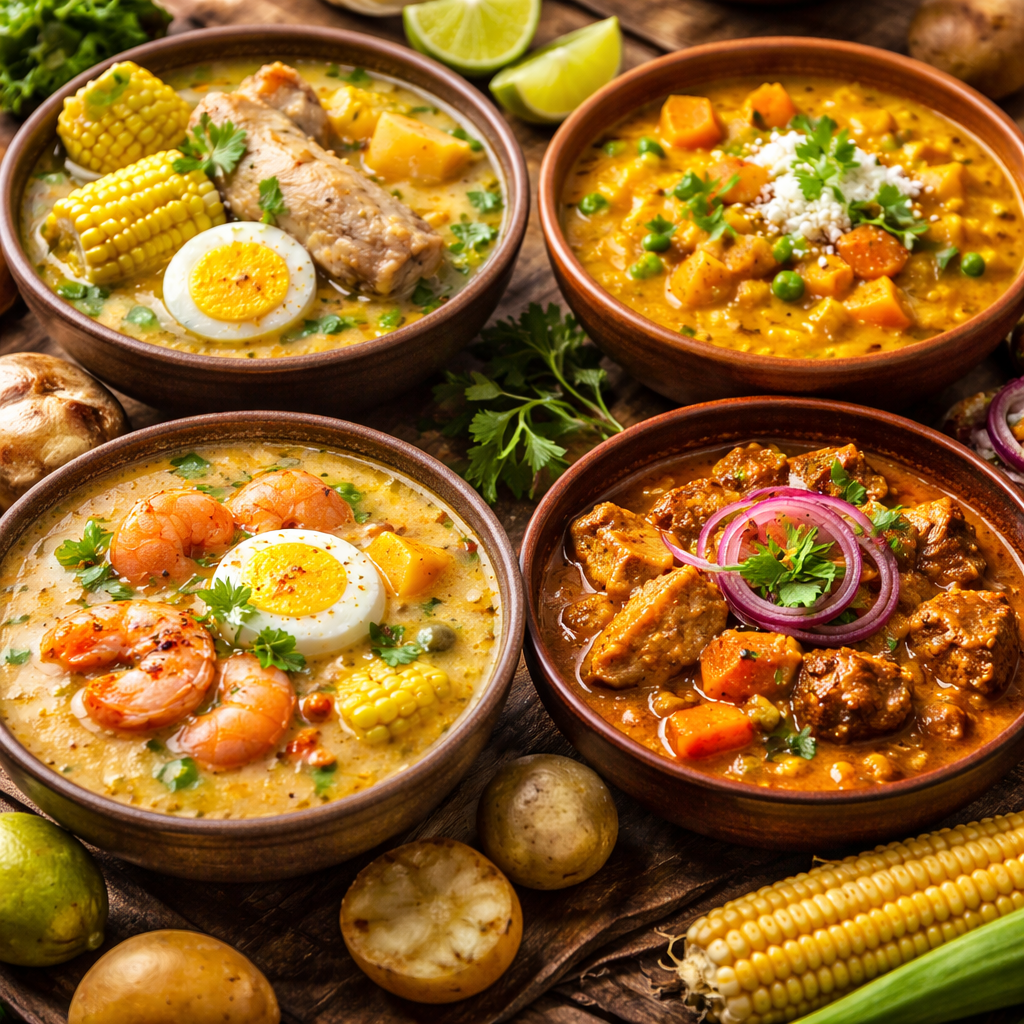


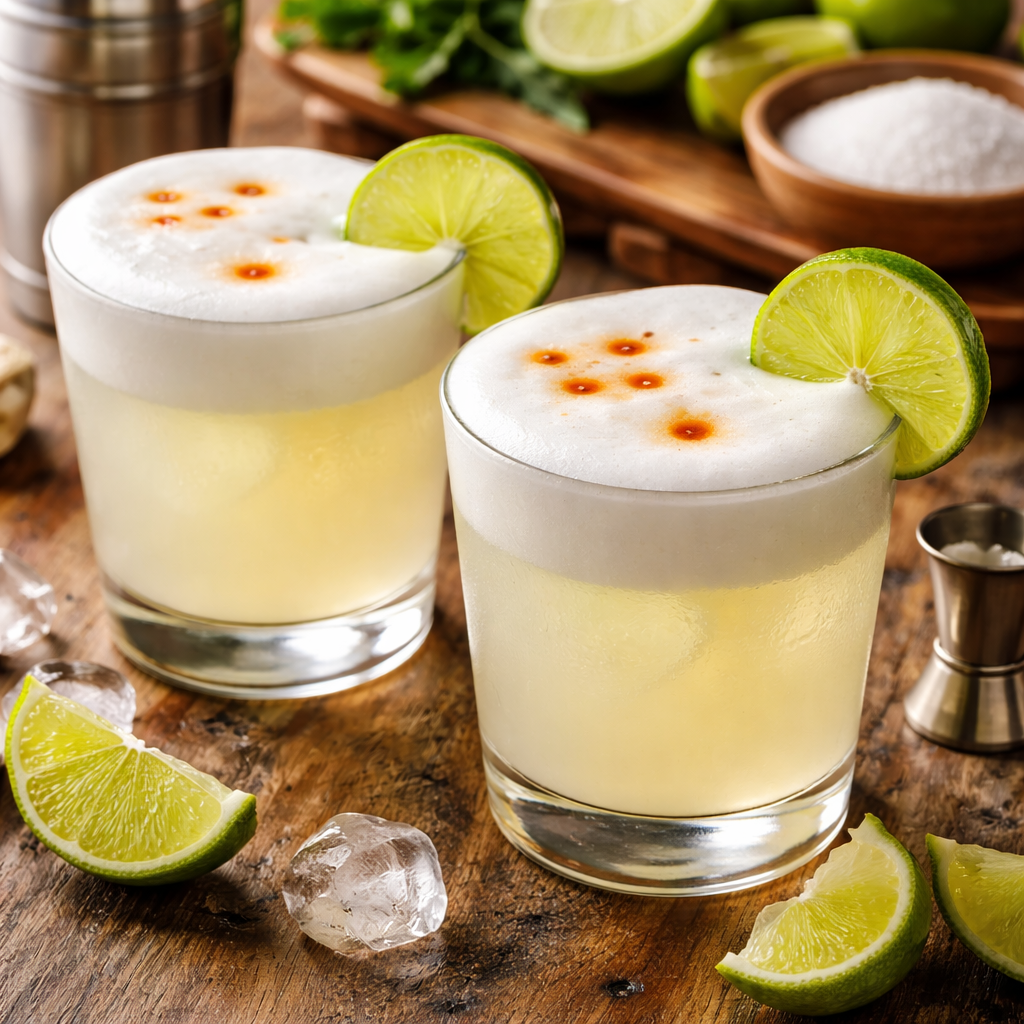
Drinks to Order While You’re There


What Makes Food in Peru So Memorable?
Food in Peru feels memorable because it adds another layer to the whole journey. Between the mountain setting, the long travel days, and the mix of local flavors, meals often feel more tied to the experience than people expect.
Hearty dishes, fresh ingredients, and iconic drinks all help the trip feel richer and more complete beyond just the main attraction.
- The food adds context: it helps the trip feel more rooted in place.
- Hearty meals fit the journey: hiking, altitude, and travel days make satisfying food feel especially welcome.
- Classic drinks matter: trying local drinks becomes part of the memory too.
Best Ways to Experience It
To get the most out of the food side of a Machu Picchu trip, mix a few different moments into your itinerary:
- A good dinner in Cusco before or after the site visit
- Something warm in Aguas Calientes after a long day
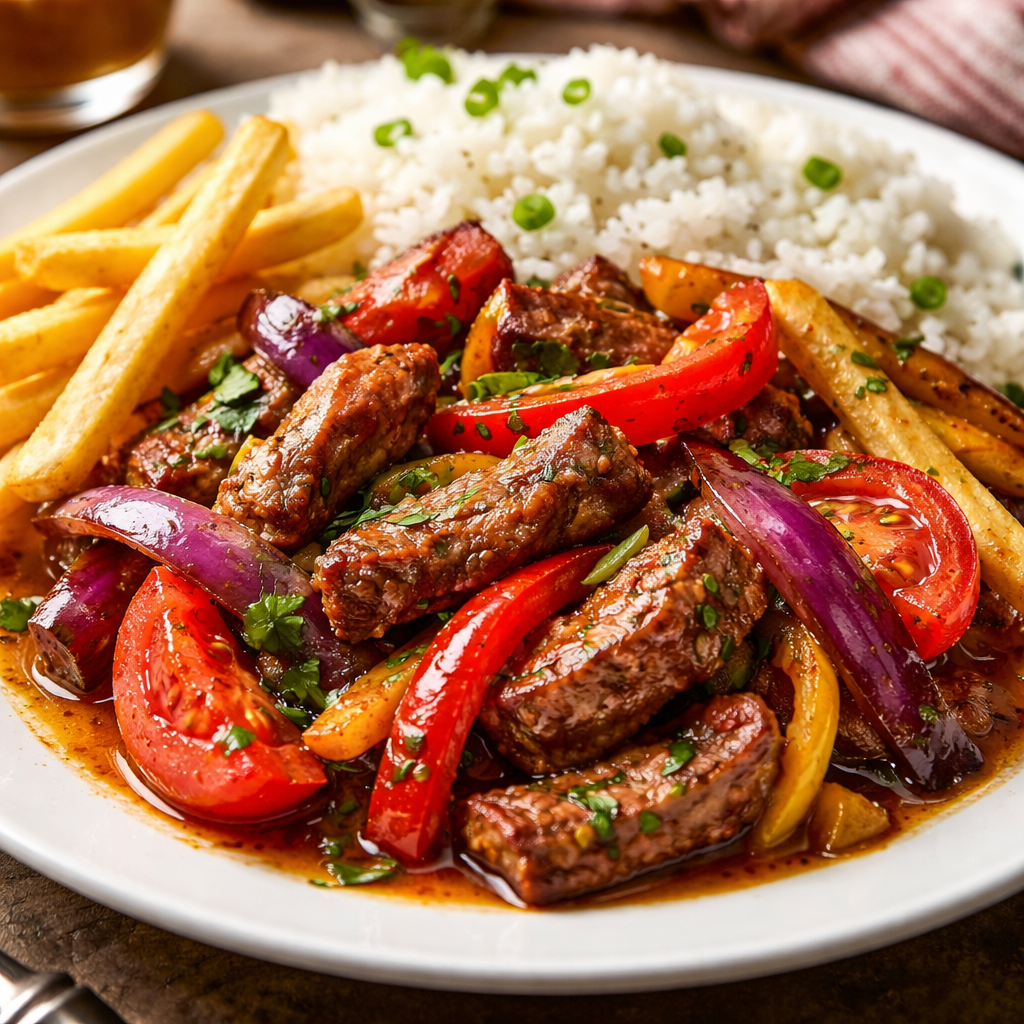
- One classic Peruvian dish like lomo saltado or ceviche
- One local drink like coca tea or a pisco sour
A good strategy is to treat food as part of the Peru experience, not just something around the edges of the itinerary.
🍽️ Pro Travel Tip for Machu Picchu
Don’t rush straight through the travel days without enjoying the food around them. A good dinner before the visit or a relaxed meal afterward can become part of what makes the whole trip feel memorable.
Travel Tips From Our Trip
Visiting Machu Picchu is one of the most unforgettable travel experiences in the world. But the high altitude, unpredictable weather, and steep stone paths mean packing the right gear is essential.
After visiting Machu Picchu, here are some things we’d recommend to anyone planning a trip:
- Arrive Early
The morning light is incredible and the crowds are smaller. - Stay Overnight in Aguas Calientes
This allows you to catch the first buses to the ruins. - Bring Layers
The weather changes quickly in the mountains. - Wear Good Shoes
The stone paths can be uneven and slippery.
Having the right gear made the entire experience far more comfortable. Along with the basics, a packable poncho, anti-theft daypack, or waterproof phone pouch can also be useful depending on the season.
Travel Extras That Make a Difference
For a smoother trip overall, it helps to have a set of packing cubes, a secure daypack, and a portable charger ready before you leave.
Brian & Bridget’s Picks for Machu Picchu
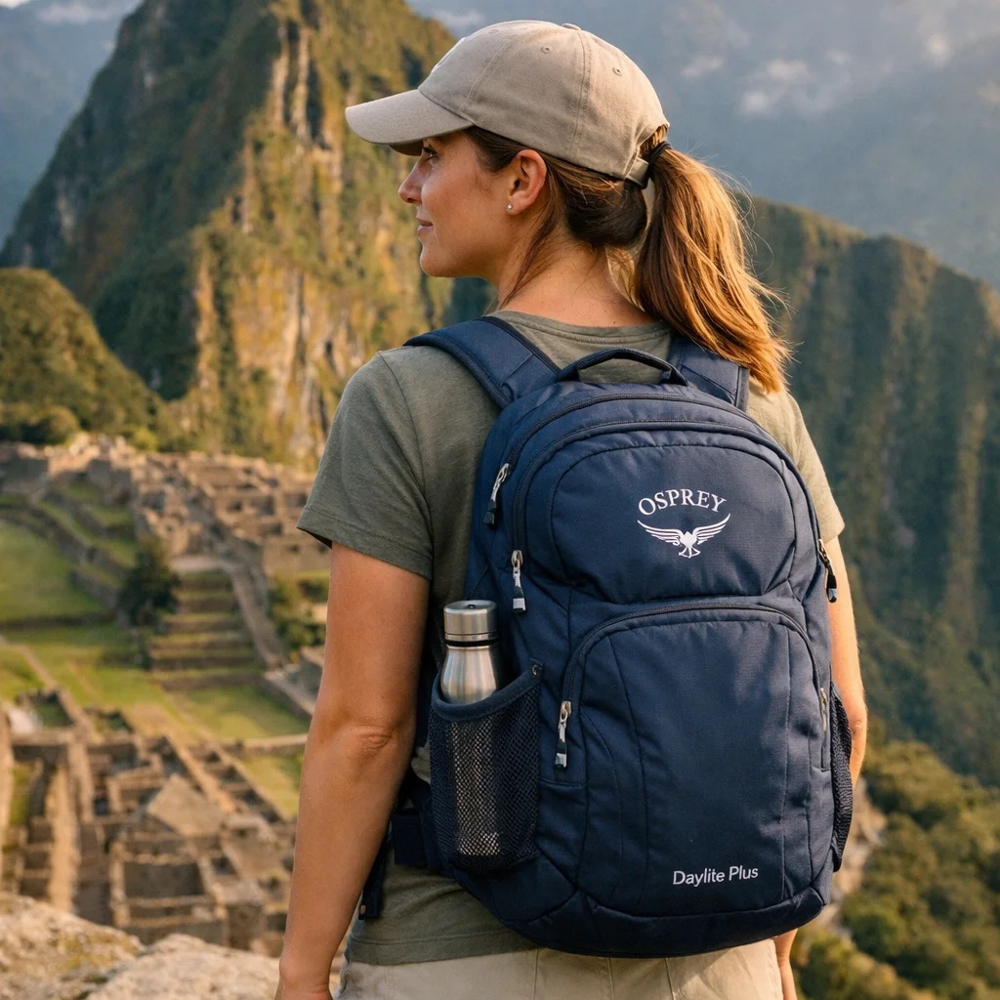
A lightweight backpack for carrying water, snacks, sunscreen, and camera gear around the ruins.
- ✔ Comfortable
- ✔ Lightweight
- ✔ Perfect for day hikes

One of the most popular hiking shoes for travelers visiting Machu Picchu.
- ✔ Excellent grip on stone stairs
- ✔ Waterproof protection
- ✔ Comfortable for long walks

Weather in the Andes changes quickly, so a lightweight rain jacket is a smart extra to pack.
- ✔ Fully waterproof
- ✔ Lightweight and packable
- ✔ Great for travel
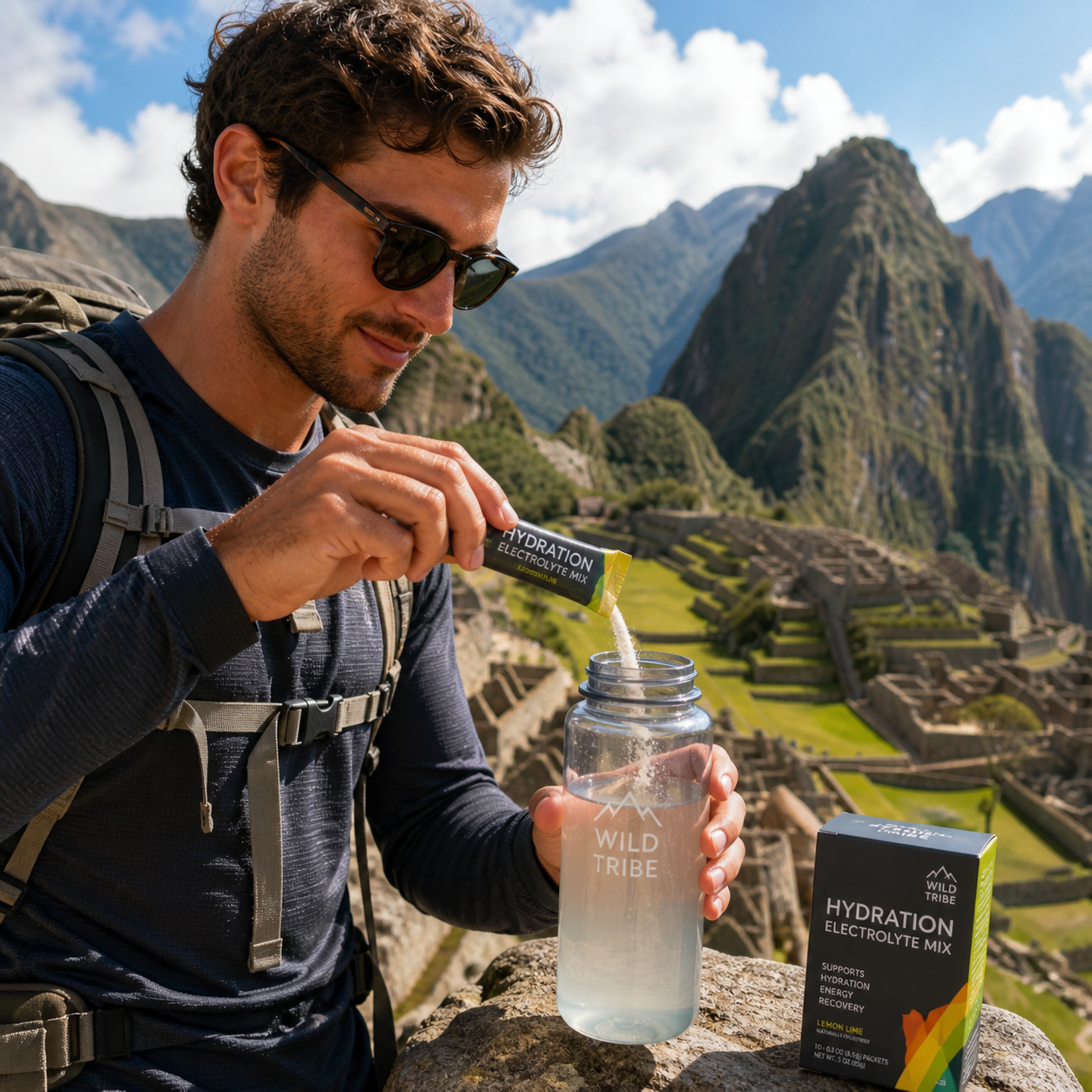
Helps you stay hydrated and energized during long hikes and high-altitude exploring.
- ✔ Helps with altitude fatigue
- ✔ Easy to carry & mix
- ✔ Great for long hike days
Where Is Machu Picchu Located?
Machu Picchu sits about 50 miles (80 km) northwest of Cusco in the Andes Mountains.
The ruins overlook the Sacred Valley, carved by the Urubamba River far below.
The city was built in the 15th century by the Inca Empire and later rediscovered by explorer Hiram Bingham III.
How to Get to Machu Picchu
Most travelers reach Machu Picchu using one of these routes:
Train to Aguas Calientes
The easiest route is taking a train from Cusco or Ollantaytambo to Aguas Calientes.
Train companies include:
- PeruRail
- Inca Rail
From Aguas Calientes, you can take a 25-minute bus ride up the mountain.
The Inca Trail
The famous Inca Trail takes about four days and ends at the Sun Gate overlooking Machu Picchu.
Best Time to Visit Machu Picchu
The best months to visit are typically:
- April – May
Beautiful weather and fewer crowds. - September – October
Clear skies and excellent hiking conditions.
Peak tourist season runs from June through August, while the rainy season typically occurs from November through March.
Interestingly, the misty mornings during the rainy season can make Machu Picchu look even more mystical.
What Makes Machu Picchu So Special?
What makes Machu Picchu so remarkable isn’t just the ruins themselves — it’s the setting.
Mountains rise thousands of feet around the site. Jungle fills the valleys below. Clouds drift across the peaks.
At times, the entire city appears and disappears in the mist.
Standing there together, we both felt the same thing:
Machu Picchu isn’t just an archaeological site.
It’s a place that makes you feel connected to history, nature, and the sheer ingenuity of the people who built it.
And that’s something no photograph can truly capture.
Final Thoughts
Visiting Machu Picchu is more than just seeing one of the world’s most famous destinations — it’s experiencing a place that truly lives up to its reputation.
Whether you're exploring the terraces, standing in ancient temples, or looking out across the mountains from Huayna Picchu, every moment feels meaningful.
For us, it wasn’t just about the views — it was about the feeling of being there. And that’s what makes Machu Picchu unforgettable.
If it’s on your bucket list, don’t hesitate — it’s absolutely worth the journey.
Start Planning Your Machu Picchu Trip →Thinking About a Cruise Instead?
If you love destinations like this, a cruise can be one of the easiest ways to experience multiple incredible places in one trip — without the stress of planning every detail.